
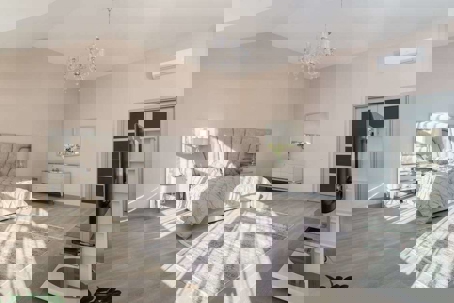
Air purifier for better sleep is not just a trend; it’s a game-changer for those struggling with restful nights. Poor indoor air quality can lead to disrupted sleep due to allergens and irritants lingering in your bedroom. By using an air purifier, these particles are filtered out, leading to a significant improvement in sleep quality. Here’s a quick checklist on how air purifiers improve sleep:
- Trap allergens like dust and pet dander with HEPA filters.
- Neutralize odors using carbon filters, creating a fresher environment.
- Produce soothing white noise to mask disruptive sounds.
Improving the air quality in your bedroom is a straightforward step to having better rest each night.
I’m Al Fouz, and at Abaco Air Experts in Jacksonville, we’ve been committed to improving indoor environments for years, including sleep experiences with effective air purification solutions. Working in the HVAC industry, I’ve seen how the right air purifier can create a more serene and healthier sleeping space. Let’s explore how this can benefit your nightly routine.
How Air Purifiers Improve Sleep
Air purifiers can make a big difference in how well you sleep. They work by cleaning the air in your bedroom, which helps you breathe easier and sleep better. Let’s break down how they do this:
Allergens and Respiratory Irritants
Air purifiers are excellent at removing allergens and irritants that can mess with your sleep. Allergens like dust mites, pet dander, and pollen often float around in the air. These tiny particles can cause sneezing, coughing, and a stuffy nose, making it hard to sleep.
HEPA filters are a key feature in many air purifiers. They trap these pesky particles, preventing them from entering your lungs. Studies have shown that using an air purifier with a HEPA filter can reduce allergy symptoms and help you sleep more soundly.
Sleep-Wake Cycle
Your sleep-wake cycle can be disrupted by poor air quality. When you breathe in pollutants, your body might have a harder time keeping its natural sleep rhythm. By cleaning the air, purifiers help maintain a healthy sleep-wake cycle, making it easier for you to fall asleep and stay asleep.
Particulate Matter
Particulate matter, like dust and tiny pollutants, can linger in the air and affect your health. These particles can irritate your respiratory system, making it uncomfortable to breathe at night. Air purifiers remove particulate matter, leading to clearer air and a more restful sleep.
HEPA Filters
HEPA filters are a gold standard in air purification. They capture 99.97% of particles that are 0.3 microns in diameter. This includes common allergens and irritants that can disturb your sleep. With a HEPA filter, you can breathe easier and enjoy a cleaner sleeping environment.
In summary, air purifiers improve sleep by tackling allergens, respiratory irritants, and particulate matter. With a cleaner bedroom environment, you’ll find it easier to relax and get a good night’s rest.
Types of Air Purifiers for Better Sleep
When it comes to choosing an air purifier for better sleep, understanding the different types available can help you make the best choice. Here’s a breakdown of the most common types:
HEPA Filters
HEPA filters are highly effective at capturing tiny particles like dust, pollen, and pet dander. These filters trap more than 99.97% of particles as small as 0.3 microns. This makes them a top choice for anyone dealing with allergies or asthma. By reducing these airborne irritants, HEPA filters can significantly improve sleep quality.
Carbon Filters
Carbon filters are designed to tackle odors and gaseous pollutants. They work by adsorbing odor-causing molecules, which helps create a fresher sleeping environment. If you’re sensitive to smells from cooking, smoke, or pets, a purifier with a carbon filter can help keep your bedroom smelling clean and inviting.
Ionic Cleaners
Ionic cleaners use an electrical charge to attract and remove particles from the air. These purifiers release negative ions that bond with airborne particles, causing them to fall out of the air. While effective at reducing particulates, ionic cleaners can sometimes produce ozone as a byproduct, which may not be ideal for everyone.
UV Cleaners
UV cleaners use ultraviolet light to kill or neutralize microorganisms like bacteria and viruses. These purifiers are great for reducing germs, but they don’t remove particles like dust or pollen. Therefore, UV cleaners are often used alongside other types of filters for comprehensive air purification.
By understanding these options, you can choose the right air purifier to improve your sleep quality. Whether you’re looking to reduce allergens, cut down on odors, or eliminate germs, there’s a purifier that can meet your needs.
Benefits of Using Air Purifiers in the Bedroom
Easy Breathing
Imagine drifting off to sleep without a stuffy nose or itchy throat. Air purifiers can make this a reality by removing common allergens like dust mites, pollen, and pet dander from the air. For those with allergies, this means fewer disruptions during the night and a more restful sleep. By filtering out these irritants, air purifiers create an environment where you can breathe easy and sleep soundly.
Less Snoring
Snoring can be a huge sleep disruptor—not just for the snorer, but for anyone sharing the room. Many times, snoring is aggravated by allergens that irritate and inflame the nasal passages. By capturing these particles, air purifiers help reduce inflammation, potentially leading to less snoring. It’s a win-win for everyone in the bedroom.
Odor Reduction
Nobody wants to sleep in a room filled with unpleasant smells. Whether it’s lingering cooking odors or the unmistakable scent of a pet, these can make it hard to relax. Air purifiers equipped with carbon filters excel at odor reduction. They adsorb odor-causing molecules, leaving your bedroom smelling fresh and clean.
White Noise
The gentle hum of an air purifier can serve as a soothing background sound, often referred to as white noise. This consistent sound can help mask disruptive noises like traffic or a ticking clock, making it easier to fall asleep and stay asleep. For many, this white noise creates a calming environment conducive to better rest.
Sleep Apnea Relief
For those suffering from sleep apnea, clean air can be crucial. Air purifiers remove airborne irritants that can exacerbate breathing difficulties. By ensuring clearer nasal passages, air purifiers may help reduce the frequency of apnea episodes. This leads to a more stable breathing pattern and promotes deeper, more restful sleep.
Incorporating an air purifier into your bedroom can significantly improve your sleep quality. Whether you’re aiming for easy breathing, less snoring, or simply a fresher environment, the right air purifier can make a world of difference.
Choosing the Right Air Purifier for Your Bedroom
Selecting the right air purifier for better sleep involves considering several key factors. Let’s break them down to ensure you make the best choice for your bedroom:
Room Size
First and foremost, consider the size of your bedroom. Air purifiers are designed to handle specific room sizes, so it’s important to match the unit’s capacity with your space. For instance, a small purifier might struggle to clean the air in a large room, while an oversized unit could be overkill for a tiny space. Check the manufacturer’s guidelines to ensure the purifier is suited for your room’s square footage.
CADR (Clean Air Delivery Rate)
The Clean Air Delivery Rate (CADR) is a crucial metric to consider. It measures the volume of filtered air delivered by an air purifier and indicates its efficiency in removing specific pollutants like dust, pollen, and smoke. A higher CADR means faster and more effective air cleaning. When comparing models, look for a purifier with a CADR that matches the needs of your room size for optimal performance.
Noise Levels
While air purifiers can offer the benefit of white noise, ensure the noise level is comfortable for you. Some units are quieter than others, making them more suitable for light sleepers. Check the decibel rating; purifiers with lower decibels are quieter. Many purifiers also come with a “sleep mode” that reduces noise levels further, ensuring a peaceful night’s sleep.
Maintenance
Don’t overlook the importance of maintenance. Regular upkeep, such as changing filters, ensures your air purifier runs efficiently. HEPA filters usually need replacement every 6-12 months, while carbon filters might require more frequent changes. Consider models with easy-to-access filters and clear maintenance guidelines. This not only prolongs the life of the purifier but also ensures it consistently provides clean air.
By considering these factors—room size, CADR, noise levels, and maintenance—you can select an air purifier that best meets your needs. The right choice will improve your bedroom environment, helping you achieve the restful sleep you deserve.
Frequently Asked Questions about Air Purifiers for Better Sleep
Do air purifiers improve sleep?
Absolutely! Air purifiers can significantly improve sleep quality by tackling allergens, odors, and respiratory irritants. Many people suffer from nighttime allergies, experiencing symptoms like nasal congestion and coughing, which can disrupt sleep. By removing particulates such as dust mites and pet dander from the air, air purifiers for better sleep make it easier to breathe at night.
Moreover, odors can be a hidden sleep disruptor. Air purifiers equipped with carbon filters can effectively neutralize unpleasant smells, whether from cooking, pets, or tobacco smoke, creating a more pleasant sleeping environment.
Is it better to sleep with a humidifier or air purifier?
The choice between a humidifier and an air purifier depends on your specific needs. If you’re dealing with dry air, which can lead to dry skin, throat irritation, or worsened respiratory conditions, a humidifier might be beneficial. It adds moisture to the air, which can be soothing, especially in dry climates or during winter.
On the other hand, if your primary concern is air pollution or allergens, an air purifier is the way to go. It filters out pollutants and irritants, improving overall air quality. For those battling both dry air and pollutants, using both devices can create an optimal sleeping environment.
Is it okay to leave the air purifier on all night?
Yes, it is generally safe and beneficial to leave an air purifier on all night. Continuous operation ensures that the air remains clean and free from pollutants while you sleep. Most air purifiers are designed to be energy-efficient, so they won’t significantly impact your energy consumption. However, it’s a good idea to check the energy ratings of your specific model if you’re concerned about electricity usage.
Leaving the purifier on overnight not only maintains air quality but also provides a consistent level of white noise, which can help mask disruptive sounds and promote deeper sleep.
Conclusion
Incorporating an air purifier into your bedroom can be a game changer for your sleep quality. By tackling allergens, odors, and pollutants, air purifiers create a cleaner and more inviting sleeping environment. This means easier breathing, less snoring, and a more restful night overall.
At Abaco Air Experts, we understand the importance of a good night’s rest. That’s why we offer a range of air purification solutions custom to meet your needs. With our expert guidance and reliable service, you can transform your bedroom into a sanctuary of clean air and comfort.
Whether you’re looking to reduce nighttime allergies, neutralize disruptive odors, or simply enjoy the soothing hum of white noise, an air purifier can significantly improve your sleep experience. And with our commitment to quality and affordability, achieving the perfect sleep environment has never been easier.
Explore our indoor air quality solutions and take the first step towards better sleep with Abaco Air Experts. Sweet dreams await!