
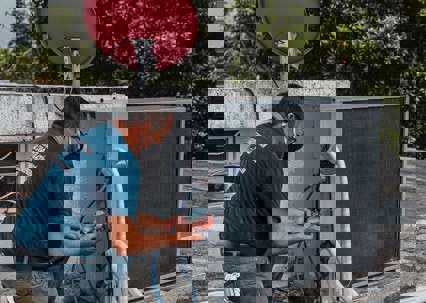
The cost to install central air conditioning in a house is a significant investment that varies depending on several factors. Generally, expenses can range anywhere from $3,000 to $10,000 or more, influenced by your home’s size, the system’s efficiency, and the complexity of installation. Understanding these cost factors is crucial as you contemplate this home improvement project.
Central air conditioning not only improves the comfort of your living space but also provides uniform temperature control throughout your home. Modern units offer increased energy efficiency, leading to lower utility bills and fewer repair costs over time. With the right system, you ensure a cool, pleasant environment despite Florida’s unpredictable heat.
I’m Al Fouz, committed to enhancing Jacksonville’s comfort through expert HVAC solutions. With decades of experience, my team at Abaco Air Experts specializes in helping homeowners like you steer the cost to install central air conditioning in a house, ensuring quality installations that pay off in the long run. Next, let’s dig into the workings of central air conditioning systems.
Understanding Central Air Conditioning
How Central Air Works
Central air conditioning systems are a popular choice for homeowners looking to maintain a consistently cool environment. These systems are composed of several key components that work together to cool your entire home efficiently.
Cooling System Components
At the heart of a central air system are two main units: the condenser unit and the evaporator coil. The condenser unit is located outside the home and is responsible for releasing heat absorbed from the inside air. Inside the home, the evaporator coil absorbs heat from the indoor air, effectively cooling it down before it is circulated back into the living spaces.
The Role of Refrigerant
A central air system relies on a substance known as refrigerant to transfer heat from inside your home to the outside environment. The refrigerant circulates between the evaporator coil and the condenser unit, changing from liquid to gas and back again in a continuous cycle. This process is essential for removing heat from your home and keeping it cool.
Understanding BTUs
When selecting a central air system, one of the key specifications to consider is the system’s cooling capacity, measured in British Thermal Units (BTUs). BTUs indicate the amount of heat an air conditioner can remove from a space per hour. The higher the BTU rating, the greater the cooling power of the unit. Typically, one ton of cooling capacity is equal to 12,000 BTUs, and a professional HVAC technician can help determine the appropriate BTU rating based on your home’s size and cooling needs.
The Importance of Ductwork
Ductwork plays a crucial role in a central air system by distributing the cooled air throughout your home. Properly designed and maintained ducts ensure even cooling and efficient operation. If your existing ductwork is leaky or poorly insulated, it can lead to energy loss and uneven temperatures, potentially increasing your utility bills.
Understanding the basics of how central air works can help you make informed decisions about your cooling needs. With the right system and proper installation, you can enjoy a comfortable and energy-efficient home environment.
Next, we’ll explore the costs associated with installing central air conditioning in your home, including factors like square footage and energy efficiency ratings.
Cost to Install Central Air Conditioning in a House
Installing central air conditioning in your home is a significant investment, and understanding the factors that influence the cost to install central air conditioning in a house can help you make informed decisions.
Cost by Square Footage
The size of your home plays a crucial role in determining the cost of a central air system. Larger homes require systems with higher BTUs to effectively cool the space. On average, you need about one ton of cooling capacity for every 500 to 600 square feet. Here’s a simple breakdown:
- 1,000 sq. ft. home: Approximately 2 tons (24,000 BTUs)
- 1,500 sq. ft. home: Approximately 3 tons (36,000 BTUs)
- 2,000 sq. ft. home: Approximately 4 tons (48,000 BTUs)
The average cost for installing a central air system ranges from $3,600 to $8,200, depending on the size of the system and your home’s unique requirements. For example, a 3-ton system might cost between $3,400 and $5,400, according to HomeAdvisor.
Cost by SEER Rating
Another factor that significantly affects the cost is the Seasonal Energy Efficiency Ratio (SEER) rating. SEER measures how efficiently an air conditioner can cool your home. The higher the SEER rating, the more efficient the system, which can lead to lower energy bills over time.
- 14 SEER: $3,000–$6,000
- 16 SEER: $3,700–$9,000
Higher SEER ratings come with a higher upfront cost but can save you money in the long run. An HVAC technician can help you choose a system with the right balance of cost and efficiency for your home.
Installation Costs
Installation costs can vary widely based on factors like labor rates and the complexity of the installation. Labor typically ranges from $75 to $250 per hour, and if your home requires new or modified ductwork, that could add significantly to the total cost. It’s crucial to get multiple quotes from HVAC professionals to ensure you’re getting a fair price.
Understanding these cost factors can help you budget effectively and choose a system that meets your needs while enhancing your home’s comfort and efficiency.
Next, we’ll dig into the factors influencing installation costs, including ductwork considerations and potential hidden fees.
Factors Influencing Installation Costs
When budgeting for central air installation, consider several factors that can affect the overall cost. These include ductwork, hidden fees, labor, and additional contractor work.
Ductwork Considerations
Ductwork is a critical component of any central air system. If your home already has existing ductwork in good condition, you might only need to clean it, which costs around $400 on average. However, if the ductwork needs replacement, expect to pay between $500 and $2,000 extra.
For smaller sections, costs can range from $10 to $20 per linear foot, plus labor. That replacing or upgrading ductwork will not only add to the cost but also take additional time, potentially extending the installation by one to two business days.
Hidden Costs and Permits
Central air installation often comes with hidden fees that aren’t always included in the initial quote. It’s crucial to discuss these with your HVAC expert to avoid surprises.
Permit Fees: Depending on your local city or county regulations, you may need a permit, which could require an inspection. Fees vary based on local ordinances, so check with your building department.
Additional Contractor Work: Sometimes, installing a new HVAC system requires additional plumbing or electrical work. Modifications to your home’s framing or surfacing might also be necessary to bring the system up to code. These extra tasks can significantly increase the overall cost.
Labor Costs: Beyond the basic installation, you might incur labor costs for removing your old system. While some companies do this for free, others charge disposal fees averaging $25 to $200, depending on the system’s age and condition.
Understanding these potential hidden costs and permit requirements will help you budget more accurately for your central air installation.
Next, we’ll explore some tips to save money on your installation, including timing and rebate options.
Tips to Save Money on Installation
Installing central air conditioning can be a significant investment, but there are smart ways to keep costs down. Here are a few tips to help you save money on your installation.
Off-Season Installation
Timing matters when it comes to installing central air conditioning in a house. HVAC contractors are busiest during the summer and winter months. If you can plan your installation for the spring or fall, you might find better deals and lower contractor rates. This is because demand is lower, and contractors are often more willing to offer discounts to fill their schedules.
Rebates and Incentives
Take advantage of rebates and incentives to reduce your costs. Many manufacturers and utility companies offer rebates on energy-efficient units, especially those with high SEER ratings. Look for Energy Star certified units, which often qualify for these rebates.
Additionally, local governments sometimes provide incentives for homeowners who choose energy-efficient systems. Check with your municipality to see if there are any programs available. These rebates can significantly offset the initial installation costs, making a high-efficiency unit more affordable in the long run.
Consider a Smaller Unit
Not every home requires the largest AC unit on the market. If you live alone or only need to cool certain areas, a smaller unit might suffice. Smaller units are generally less expensive and consume less energy, which can save you money on both the purchase and your monthly utility bills.
Before making a decision, have an HVAC technician perform a load calculation. This assessment will help determine the appropriate size for your home, ensuring you don’t pay for more capacity than you need.
By carefully choosing the timing of your installation and exploring available rebates, you can make your central air installation more budget-friendly. Up next, we’ll address some frequently asked questions about central air installation costs.
Frequently Asked Questions about Central Air Installation Costs
How much does it cost to add central AC to a house?
The cost to install central air conditioning in a house can vary widely. On average, homeowners spend between $3,800 and $8,000. Several factors influence this range, including the size of your home, the efficiency of the unit, and the complexity of the installation. For smaller systems, you might pay as little as $3,882, while larger or more advanced systems could run up to $7,905 or more. It’s essential to consider these variables when budgeting for your central AC installation.
Is it worth adding central air to a house?
Absolutely! Adding central air can significantly increase your home’s comfort and value. A modern, efficient HVAC system not only cools your home but also improves air quality and energy efficiency. Potential homebuyers often see central air as a must-have feature, which can make your property more attractive on the market. Plus, a new system can reduce maintenance costs and lower utility bills, making it a wise investment over time.
What is the cost of central air for a 2,000 sq ft house?
For a 2,000-square-foot house, you can expect to spend between $4,200 and $6,200 on central air installation. This estimate includes a system with a capacity of about 4 tons, which is typically needed to adequately cool a home of this size. Factors like the home’s layout, insulation quality, and local climate can affect the exact cost. It’s always a good idea to get a detailed quote from a professional HVAC technician to ensure the system meets your specific needs.
These common questions highlight the considerations and benefits of installing central air in your home. Next, we’ll explore the various factors that can influence installation costs and how to manage them effectively.
Conclusion
At Abaco Air Experts, we understand that installing central air conditioning is a significant investment. That’s why we are committed to providing professional installation services that ensure you get the most value for your money. Our team of certified technicians is dedicated to crafting the perfect climate for your home, prioritizing both comfort and energy efficiency.
When you choose us for your HVAC needs, you’re not just getting an air conditioning unit; you’re investing in quality service and peace of mind. We pride ourselves on our decades of experience and our ability to offer dependable, 24/7 support. Our attention to detail means that every installation is custom to your specific needs, ensuring maximum performance and longevity of your system.
We also focus on affordability without compromising on quality. From selecting the right unit to providing expert installation, we guide you through every step of the process. Plus, with our commitment to customer satisfaction, you can rest assured knowing that your comfort is our top priority.
Whether you’re dealing with the summer heat or preparing for the next season, Abaco Air Experts is here to help you keep your cool. Let us show you how professional installation and quality service can make a difference in your home’s climate.
For more information or to schedule a consultation, visit our Air Conditioning Service Page. We’re ready to partner with you in creating a comfortable and energy-efficient home.