
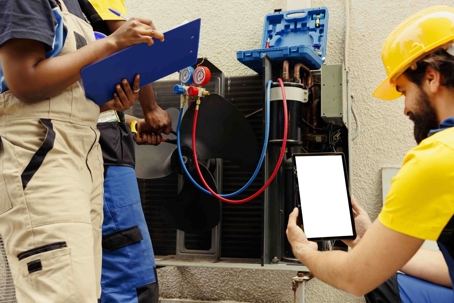
A hvac contract is an agreement between a homeowner and an HVAC service provider, detailing the terms and conditions of work to maintain, repair, or install heating, ventilation, and air conditioning systems. These contracts are crucial for ensuring that your HVAC system operates efficiently and that you receive reliable service when you need it.
Why are HVAC contracts important for homeowners?
- Consistency and Reliability: Guarantee regular maintenance and timely repairs.
- Cost Savings: Often include discounts on parts and labor.
- Priority Service: Get quick response times and priority scheduling during emergencies.
- Long-term Efficiency: Extend the lifespan of your HVAC system.
Homeowner Benefits
Having an HVAC contract with a reliable service provider can make a significant difference, especially in areas with extreme climate variations like Jacksonville. Regular maintenance scheduled by the contract helps keep your system efficient, reduces unexpected breakdowns, and maintains a comfortable home environment all year round.
I’m Al Fouz. With decades of experience in the HVAC industry and owner of Abaco Air Experts, I have guided many homeowners through the complexities of HVAC contracts. My goal is to help you understand these contracts better so you can make informed decisions for your home.
Understanding HVAC Contracts
Key Components of an HVAC Contract
Navigating an HVAC contract can be confusing for many homeowners. But understanding the key components can make it easier. Let’s break it down:
Definition and Purpose
An HVAC contract is a formal agreement between you and your HVAC service provider. It outlines the services to be provided, the costs involved, and the responsibilities of both parties. The main purpose is to ensure your heating and cooling systems are maintained properly, reducing the risk of unexpected breakdowns.
Legal Stipulations and Independent Contractor Relationship
HVAC contracts often include legal stipulations to protect both parties. These may cover liability, termination, and indemnification clauses. Your HVAC service provider is typically considered an independent contractor, not an employee. This means they have control over how they perform their work, but they must meet the terms outlined in the contract.
Business and Customer Information
The contract should clearly state the HVAC company’s legal name, address, and contact information. It should also include your details as the customer, such as your name, address, and contact information. This ensures both parties can easily reach each other if needed. A well-documented HVAC contract provides clarity and prevents misunderstandings about the services agreed upon.
Property Address
Make sure the contract specifies the address of the property where the HVAC services will be performed. This avoids any confusion, especially if you own multiple properties. Having the correct location listed in your HVAC contract ensures the technicians arrive at the right place for service.
Maintenance Schedule
The maintenance schedule is a crucial part of the contract. It outlines how often the HVAC system will be serviced. Regular maintenance can include tasks like inspecting the system, cleaning components, and testing for proper operation.
This section details what services are included in the HVAC contract. Common services might include:
- Inspection: Checking the system for wear and tear, leaks, and blockages.
- Cleaning: Cleaning the condenser unit, evaporator coil, and filters.
- Testing: Ensuring electrical components and system efficiency are up to standard.
Terms and Conditions
Terms and conditions cover the rules and guidelines for the contract. This can include contingency clauses like liability protection, termination clauses, and indemnification clauses. These protect both you and the service provider from unexpected issues.
Invoice Schedule and Payment Terms
Understanding how and when you’ll be billed is vital. The invoice schedule should specify if payments are due monthly, quarterly, or annually. Payment terms should also include details about service costs, payment methods, and any late fees.
Signature Line
Finally, the contract must be signed by both parties to be valid. This includes a signature line for you and the service provider, along with the date of signing.
Understanding these key components will help you navigate your HVAC contract with confidence. Next, we’ll explore the different types of HVAC contracts available and how to choose the right one for your needs.
Types of HVAC Contracts
When it comes to maintaining your heating and cooling systems, there are a few types of HVAC contracts you might encounter. Understanding these can help you choose the best one for your needs. Let’s break down the three main types: service maintenance agreements, preventative maintenance service contracts, and HVAC installation contracts.
Service Maintenance Agreement
A service maintenance agreement is a HVAC contract between you and an HVAC service provider to cover regular maintenance tasks. This agreement typically includes:
- Regular inspections: Technicians will visit your property to check and maintain your HVAC system.
- Cleaning and minor repairs: Routine cleaning and fixing small issues before they become major problems.
- Priority service: Customers with a maintenance agreement often get priority during peak seasons.
Example: Imagine your AC unit breaks down in the middle of summer. With a service maintenance agreement, you get priority service, meaning a technician will be out to fix it faster than if you didn’t have a contract.
Preventative Maintenance Service Contract
A preventative maintenance service contract goes a step further by focusing on preventing issues before they occur. This type of HVAC contract usually includes:
- Detailed inspections: More thorough checks of all components, including refrigerant levels, electrical connections, and system efficiency.
- Scheduled maintenance: Regularly scheduled visits to ensure everything is running smoothly.
- Parts and labor coverage: Some contracts include coverage for parts and labor for minor repairs.
Statistic: According to industry data, regular preventative maintenance can improve HVAC efficiency by up to 15% and extend the lifespan of your system.
HVAC Installation Contract
An HVAC installation contract is for those who need a new system installed. This contract covers:
- Scope of work: Detailed description of the installation process, including what equipment will be installed.
- Timeline: Clear schedule of when the installation will happen.
- Warranty information: Details about warranties on both parts and labor.
Case Study: A homeowner needed a new furnace before winter. With an HVAC installation contract, they received a clear timeline and warranty, ensuring peace of mind that the installation would be done correctly and on time.
Choosing the right HVAC contract depends on your specific needs. Whether it’s regular maintenance, preventative care, or a new installation, understanding these contracts will help you make an informed decision.
For more information on our maintenance plans, visit our Maintenance Plans page.