
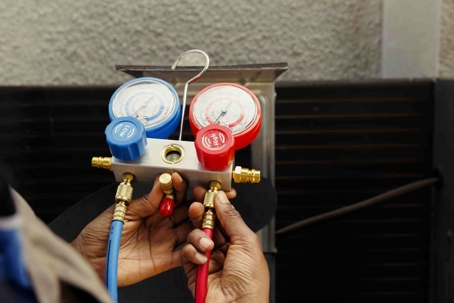
New AC installation is a big step towards enhancing your home’s comfort, efficiency, and safety. Here’s a quick rundown for those eager to get straight to the point:
- Installation Importance: Proper setup is crucial for optimal operation and longevity.
- Efficiency: Modern systems reduce energy costs and improve air quality.
- Safety: A correctly installed unit eliminates hazards like electrical faults or refrigerant leaks.
Getting a new AC system is more than just a swap; it’s a pathway to a cozy, energy-efficient, and secure home environment. Just by upgrading, like the Smith family did, who cut their repair costs to zero, you can avoid frequent breakdowns and high energy bills.
I’m Al Fouz, owner of Abaco Air Experts. With decades in the HVAC business, I’ve seen the transformative power of new AC installation for countless Jacksonville homeowners. I’m here to guide you through this process with clarity and expertise, so you can make informed decisions for your home.
Assessing Your Home’s Needs
Before diving into a new AC installation, understand your home’s specific needs. This involves considering factors like home size, cooling capacity, and SEER rating. These elements ensure that the system you choose will provide optimal comfort and efficiency.
Home Size
The size of your home is a critical factor in selecting the right AC unit. A unit that’s too small will struggle to cool your space, while an oversized unit can lead to inefficiencies and higher costs.
- Small Homes (up to 1,000 sq. ft.): Typically require an AC unit with a lower BTU rating.
- Medium Homes (1,000 – 2,000 sq. ft.): Benefit from a mid-range BTU rating.
- Large Homes (over 2,000 sq. ft.): Need a higher BTU rating to ensure effective cooling.
Cooling Capacity
Cooling capacity, measured in BTUs (British Thermal Units), determines how much heat an AC unit can remove from your home in an hour. Matching the BTU rating to your room size is crucial for efficiency.
Here’s a quick guide:
- Up to 150 sq. ft.: 5,000 BTUs
- 150-300 sq. ft.: 7,000 BTUs
- 300-450 sq. ft.: 10,000 BTUs
- 450-600 sq. ft.: 12,000 BTUs
An accurate BTU match prevents your unit from working too hard or not hard enough, saving energy and reducing wear and tear.
SEER Rating
The Seasonal Energy Efficiency Ratio (SEER) rating indicates how energy-efficient an AC unit is. The higher the SEER rating, the more efficient the unit. Modern AC systems often have a SEER rating of 13 or higher.
- Older Units: Usually have a SEER rating of less than 10.
- Newer, Efficient Units: Typically range from 13 to 20 or more.
Choosing a unit with a high SEER rating may cost more upfront but can lead to significant savings on energy bills over time. For example, the Johnsons switched to a higher SEER unit and noticed a drop in their monthly utility costs.
Understanding these factors will help you make an informed decision about the best AC system for your home. Next, we’ll explore how to choose the right AC system for your specific needs.
Choosing the Right AC System
Selecting the right air conditioning system is vital for ensuring your home stays comfortable and energy-efficient. Let’s explore three popular options: ductless mini-split systems, central air conditioning units, and package units. Each has unique benefits and is suited to different needs.
Ductless Mini-Split Systems
Ductless mini-split systems are perfect for homes without existing ductwork. They offer targeted cooling, meaning you can control the temperature in individual rooms. This not only improves comfort but also saves energy by cooling only the spaces you use.
Benefits:
– Energy Efficiency: Avoids energy loss through ducts.
– Flexibility: Allows for zoned cooling.
– Easy Installation: Requires only a small hole for the conduit.
A family who switched to a ductless system reported a significant reduction in their energy bills, as they no longer needed to cool unused rooms.
Central Air Conditioning Units
Central air conditioning units are a common choice for homes with existing ductwork. They provide even cooling throughout the house and can improve indoor air quality by filtering dust and allergens.
Benefits:
– Consistent Cooling: Provides uniform temperature control.
– Air Filtration: Improves air quality.
– Longevity: Can last 10 to 15 years with proper maintenance.
One household experienced uneven cooling with their old unit. After installing a new central system, they enjoyed consistent temperatures in every room.
Package Units
Package units are ideal for homes with limited indoor space or flat roofs. These systems house all components in a single outdoor unit, saving space and simplifying maintenance.
Benefits:
– Space-Saving: All-in-one design.
– Durability: Can last up to 20 years.
– Versatility: Suitable for both residential and commercial applications.
These units are modular, making them easy to design and modify as needed. They are a great option for those looking to maximize outdoor space while ensuring efficient cooling.
Choosing the right AC system involves understanding your home’s specific needs and evaluating the benefits of each option. Whether you’re looking for energy savings, consistent cooling, or space efficiency, there’s a system that fits your requirements.
Next, we’ll walk you through the step-by-step installation process, ensuring a smooth transition to your new AC system.
Step-by-Step Installation Process
A new AC installation can transform your home’s comfort and efficiency. Here’s how it unfolds, step by step:
In-Home Consultation
The journey begins with an in-home consultation. A licensed contractor visits your home to evaluate your current AC setup and discuss your cooling needs. This step is crucial in determining the right type and size of air conditioner for your home.
- Cooling Capacity: The contractor assesses the cooling capacity needed to keep your home comfortable without wasting energy.
- Location: They’ll check if your existing AC spot can accommodate a newer, potentially larger unit.
Removing the Old System
Removing the old system is a meticulous process. It involves:
- Refrigerant Removal: Only EPA-certified technicians can safely remove the refrigerant, which is done using specialized equipment.
- Protecting Your Home: Floors and furniture are covered to prevent damage. The team also checks for air duct leaks and sealing issues that could impact the new system’s performance.
Outdoor Unit Installation
Once the old system is out, it’s time to install the new outdoor unit.
- Composite Pad: A stable base is prepared, often using a vibration-absorbing composite pad, ensuring the unit stays put.
- Connection: The line set is fitted to the new unit’s service valve. This connection is crucial for a leak-proof system.
Wiring Installation
With the outdoor unit in place, the focus shifts to wiring installation. This involves:
- Electrical Connections: The system is connected to your home’s electrical setup, ensuring it meets safety standards.
- Gas Lines: If applicable, gas lines are connected by a licensed professional to comply with local codes.
Thermostat Installation
The final touch is installing the thermostat, the control center of your new AC system.
- Calibration: The thermostat is calibrated for accurate temperature control, ensuring your home stays comfortable.
- Testing: The technician tests the system to verify that the thermostat communicates effectively with the AC unit.
Each step in the installation process is designed to ensure your new AC system operates efficiently and effectively. By following these steps, you can enjoy a seamless transition to improved home comfort and energy efficiency.
Next, we’ll explore the benefits of new AC installation, highlighting how it can lead to lower maintenance costs and improved well-being.
Benefits of New AC Installation
A new AC installation offers numerous advantages that can significantly improve your home’s comfort and efficiency. Let’s explore the key benefits:
Lower Maintenance Costs
Older air conditioning systems often require frequent repairs and maintenance, which can quickly add up. With a new AC unit, you can expect lower maintenance costs. New systems are designed with durability in mind, reducing the likelihood of breakdowns. Plus, as original parts for older units become scarce and expensive, investing in a new system can save you money in the long run.
Case Study: One family was spending hundreds on monthly repairs for their old unit. After upgrading, their repair costs dropped to zero, providing peace of mind and financial relief.
Energy Efficiency
Modern AC units are much more energy-efficient than older models. They use advanced technologies, like variable speed fans and compressors, to adjust cooling output based on your needs. This minimizes energy waste and reduces your utility bills.
- SEER Rating: The Seasonal Energy Efficiency Ratio (SEER) is a key factor. Higher SEER ratings mean better efficiency. A new unit with a high SEER can save you up to 20% on cooling costs compared to an older system.
Fact: Air conditioners over 15 years old consume more electricity, leading to higher energy bills. A new, efficient unit can help keep those costs down.
Improved Well-Being
A new AC system doesn’t just cool your home; it also improves your indoor air quality. Modern units are better at removing dust, pollutants, allergens, and even viruses from the air. This leads to a healthier living environment and can improve your overall well-being.
- Improved Comfort: With precise temperature control, you can maintain a consistent, comfortable temperature throughout your home. No more hot spots or uneven cooling—just a perfectly cooled home.
Expert Tip: Improved comfort means you can enjoy your home no matter how hot or cold it is outside, and even sleep better at night.
By investing in a new AC installation, you not only improve your home’s comfort and air quality, but you also save money on energy and maintenance costs. These benefits make a compelling case for upgrading your old AC system.
Next, we’ll address some frequently asked questions about new AC installation, including cost factors and what you can expect when adding AC to your home.
Frequently Asked Questions about New AC Installation
When considering a new AC installation, one of the most common concerns is cost. Here, we break down the factors that influence the price and what you can expect.
How much does it cost to install an AC system?
The cost of installing an AC system can vary widely. Factors include:
Square Footage: Larger homes require more powerful systems, which can increase costs. For example, cooling a 2,000 square-foot house will typically cost more than a smaller home.
SEER Rating: Units with higher SEER ratings are more energy-efficient but may come with a higher upfront cost. However, they can save you money in the long run by reducing energy bills.
Type of System: The choice between a ductless mini-split, central air conditioning, or package units can also affect the price. Each has unique benefits and costs associated with installation.
What is the installation charge of AC?
Installation charges can differ based on the type of AC unit:
Window AC: These are generally the least expensive to install, with costs ranging from $100 to $500, depending on complexity and any necessary modifications.
Split AC: Installing a split AC system can be more expensive, typically ranging from $1,500 to $4,000. This price includes both the unit and installation labor.
How much does it cost to add AC to a 2000 square-foot house?
For a 2,000 square-foot house, the cost of adding a new AC system can range between $3,000 and $7,000. This estimate includes:
Cost per Square Foot: On average, expect to spend about $4 to $8 per square foot for installation.
Average Costs: Central air systems for homes of this size usually fall within this range, but costs can vary based on the factors mentioned above.
Understanding these cost factors can help you plan your new AC installation budget more effectively. Always consider the long-term savings from energy efficiency and reduced maintenance when evaluating the initial investment.
Next, we’ll explore how Abaco Air Experts can assist you with professional HVAC services, ensuring your installation is seamless and cost-effective.
Conclusion
When it comes to new AC installation, choosing the right partner is crucial. That’s where Abaco Air Experts in Jacksonville, Florida, come in. With decades of experience since 1967, we have built a reputation for delivering top-notch HVAC services. Our commitment to quality and affordability ensures that you get the best value for your investment.
Why Choose Abaco Air Experts?
Quality Services: We pride ourselves on crafting perfect climates. Whether it’s a sweltering summer day or a chilly winter evening, our systems are designed to keep your home comfortable all year round.
Affordability: We understand that installing a new AC system is a significant investment. That’s why we offer competitive pricing and financing options to make the process more manageable for you.
Professional Staff: Our team consists of highly trained professionals who are dedicated to providing exceptional service. From the initial consultation to the final installation, our staff ensures that every step is handled with precision and care.
Your Trusted HVAC Partner
At Abaco Air Experts, we don’t just install air conditioners; we build lasting relationships with our clients. Our 24/7 availability means that we’re always here when you need us, whether it’s for a routine maintenance check or an unexpected repair.
By choosing us for your new AC installation, you’re not just getting an HVAC system; you’re gaining a partner committed to your home’s comfort and energy efficiency. Let us help you enjoy a cooler, more comfortable home with our expert services.
For more information or to schedule your installation, contact us today. We’re excited to work with you and help you achieve the perfect indoor climate.