
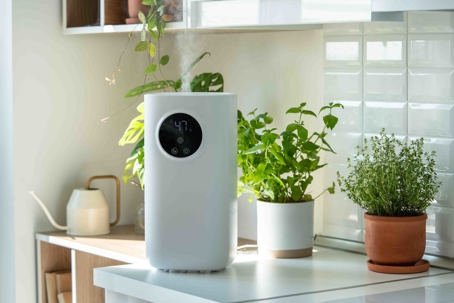
Air purifier placement is the key to maximizing your device’s effectiveness, ensuring that every breath you take is fresher and cleaner. To quickly find the optimal spot, remember these essentials:
- Avoid walls and shelves: Keep the purifier in open spaces with clear air intake and outflow paths.
- Target problem areas: Place purifiers close to sources of pollutants, like pet zones or areas prone to smoke.
- Opt for elevation: Position the device at a medium height, like on a sturdy table or stand.
Understanding these basics can significantly improve your air purifier’s performance.
Whether you’re dealing with pet dander, smoke, or simply seeking better air quality, placing your air purifier correctly is crucial. A well-positioned purifier can significantly reduce indoor pollutants, saving you from potential health issues and ensuring a more comfortable living space.
I’m Al Fouz, passionate about optimizing air quality. With decades of experience in providing HVAC solutions, I’m here to help you master air purifier placement, ensuring your home remains a sanctuary of clean, fresh air. Let’s explore how strategic placement can transform your indoor environment.
Step 1: Choose the Right Room
The first step in optimizing your air purifier placement is to select the right room. Different rooms have unique air quality challenges, so it’s important to match your purifier to the space where it will make the most impact.
Bedroom
Your bedroom is where you spend a third of your life. Placing an air purifier here can dramatically improve sleep quality by reducing allergens and other pollutants. Position the purifier close to your bed, ideally in your breathing zone, to maximize its benefits. If the airflow dries out your skin, adjust the direction or consider a humidifier.
Living Room
The living room often serves as the central hub of a home, making it a great spot for an air purifier. Place the purifier between seating areas and sources of pollution, like doors or windows, to intercept incoming pollutants. Avoid corners and ensure the device has ample clearance for air intake and outflow.
Kitchen
Kitchens are notorious for air quality issues due to cooking fumes and lack of ventilation. If your kitchen lacks proper ventilation, position the air purifier in the center of the room and close to people. For kitchens with some ventilation, place it away from vents to better capture lingering particles. Consider models with sensors that automatically adjust to air quality changes.
Basement
Basements can be tricky due to moisture and poor ventilation. Place the air purifier in the center of the largest space to help circulate air and reduce musty smells. If moisture is an issue, address it first, as air purifiers alone won’t solve mold problems.
Choosing the right room for your air purifier is crucial for effective air cleaning. By targeting rooms with the highest pollutant levels or where you spend the most time, you can create a healthier environment for you and your family.
Step 2: Find the Optimal Height
Once you’ve chosen the right room for your air purifier placement, the next step is to find the optimal height. Proper height can significantly improve the purifier’s efficiency by capturing airborne particles more effectively.
Floor Placement vs. Lifted Placement
Floor Placement: While placing an air purifier directly on the floor might seem convenient, it’s not always the best choice. Airborne pollutants don’t just settle at ground level; they float at various heights. Placing the purifier on the floor may limit its ability to capture these particles effectively.
Lifted Placement: Elevating your air purifier can make a big difference. Aim to place it on a sturdy table or shelf that aligns with the “breathing zone,” which is typically 3 to 5 feet off the ground. This height is ideal for capturing pollutants that you’re likely to inhale. It also helps avoid floor-level obstructions like furniture or clutter.
Breathing Zone
Think of the breathing zone as the air space around your head when you’re sitting or lying down. Placing the air purifier at this height ensures that it’s targeting the air you breathe most frequently. For instance, if you’re using the purifier in your bedroom, positioning it on a bedside table can help maintain cleaner air around your sleeping area.
Quick Tip: Ensure there’s at least a few feet of clearance around the purifier for unobstructed airflow. This allows the device to draw in and circulate air more effectively throughout the room.
Finding the right height for your air purifier is key to maximizing its performance. By lifting it to the breathing zone, you can ensure that it’s effectively reducing the pollutants you breathe in daily.
Step 3: Ensure Proper Airflow
To get the most out of your air purifier, it’s crucial to ensure proper airflow. This involves strategic air purifier placement to allow for unobstructed intake and circulation of air.
Unobstructed Intake
Air purifiers need space to work effectively. Ensure that the intake fan, which pulls in untreated air, is not blocked. If the intake is obstructed, the purifier can’t draw in enough air to clean.
Quick Tip: Keep the purifier at least 6 inches away from walls, furniture, or other large objects. This spacing helps maintain optimal airflow and prevents the purifier from struggling to circulate clean air.
Central Location
Positioning the air purifier in a central location can improve its effectiveness. A central spot allows the device to pull in air from all around the room, ensuring even distribution of clean air.
Example: In a living room, placing the air purifier near the center of the room, away from corners and walls, can help it cover more area. This setup is particularly beneficial in large rooms where pollutants may disperse widely.
Away From Walls
Keeping the air purifier away from walls is essential. When placed too close to a wall, the airflow can be restricted, reducing the purifier’s effectiveness.
Study Insight: Tests have shown that moving an air purifier just 4 cm away from the wall can increase airflow efficiency from 5% to 94%. At about 10 cm (or roughly 4 inches), the airflow can reach 100% of its capacity.
Visual Guide: Use a small object like a smartphone to measure this distance easily. A phone’s length (approximately 15 cm or 6 inches) is a simple tool to ensure your purifier is not too close to the wall.
By ensuring proper airflow, you allow your air purifier to operate at its best. This means cleaner air for you and your family, helping to maintain a healthier indoor environment.
Step 4: Avoid Common Mistakes
Even with the best air purifier placement, certain mistakes can hinder its performance. Let’s explore common pitfalls and how to avoid them.
Moisture
Air purifiers and moisture don’t mix well. High humidity can shorten the life of filters, especially if your purifier includes activated carbon filters. These filters can absorb moisture, becoming less effective over time.
Tip: Keep your air purifier away from humid areas like kitchens and bathrooms. If you use a humidifier, place it on the opposite side of the room from your air purifier.
Heat Sources
Heat can also impact the performance of air purifiers. Placing your device near heat sources like radiators or direct sunlight can cause it to overheat, reducing its efficiency.
Advice: Position your air purifier in a cooler area, away from windows and heating vents. This ensures it operates smoothly without the risk of overheating.
Electronics Interference
Electronics can interfere with your air purifier. Devices like fans or other purifiers can disrupt airflow, while electronics with strong magnetic fields might affect its operation.
Caution: Avoid placing your air purifier near other electronic devices. Keep it at least a few feet away to avoid interference and ensure it functions properly.
By steering clear of these common mistakes, you can maximize your air purifier’s efficiency and longevity.
Next, we’ll discuss how to adapt your air purifier placement based on room usage and specific needs.
Step 5: Adapt to Room Usage
To get the most out of your air purifier, adapt its placement based on how you use each room. This ensures you target pollutants effectively and enjoy cleaner air where you need it most.
Source of Pollution
Identify the main sources of indoor air pollution in each room. For instance, kitchens often have pollutants from cooking like smoke and fumes. In contrast, bedrooms might have dust or pet dander.
Strategy: Place your air purifier near the primary source of pollution in each room. In the kitchen, keep it close to the cooking area, but away from moisture. In bedrooms, position it near where dust tends to accumulate, like under the bed or near curtains.
Time Spent
Think about how much time you spend in each room. You want the cleanest air in the spaces where you spend the most time. Bedrooms and living rooms are typically high-traffic areas.
Tip: If you spend a lot of time in the living room watching TV or relaxing, place the air purifier in a central spot. In the bedroom, consider placing it near your bed to ensure you breathe clean air while sleeping.
Portable Units
Portable air purifiers offer flexibility. They can be moved from room to room, providing targeted air cleaning where it’s needed most.
Advice: Use portable units to your advantage. If you have a purifier that’s easy to move, place it in the kitchen while cooking, then relocate it to the living room or bedroom afterwards. This ensures effective pollutant removal in the right place at the right time.
By adapting your air purifier placement to match room usage, you can optimize its performance and ensure a healthier environment throughout your home.
Next, we’ll answer some frequently asked questions about air purifier placement to help you make informed decisions.
Frequently Asked Questions about Air Purifier Placement
Where should air purifiers be placed?
Air purifiers should be placed near the source of odors or allergens. For example, in the kitchen, position it near the stove to tackle cooking fumes. In the bedroom, place it close to areas where dust gathers, like curtains or under the bed. Ensure there’s enough space around the purifier—at least 6 inches from walls or furniture—to allow for proper airflow.
Should an air purifier be on the ground or up high?
The best position for an air purifier is at breathing level. This means placing it on a low table or shelf rather than directly on the floor. Keeping it liftd helps the purifier capture airborne particles more effectively as they circulate through the room. However, make sure it’s still in a location where it can draw in air from all around.
Which rooms should have an air purifier?
Focus on rooms where you spend the most time or where pollutants are most likely to accumulate. Bedrooms and living rooms are prime candidates, as they are often high-traffic areas. Kitchens also benefit from having an air purifier due to cooking-related pollutants. If you have a basement, consider placing one there to help with air circulation and reduce musty smells.
By understanding these common questions, you can better position your air purifiers for maximum effectiveness. Up next, we’ll wrap up with some final thoughts on air purifier placement and its role in maintaining a healthy home environment.
Conclusion
Abaco Air Experts is committed to helping you breathe easier with the right air purifier placement. By strategically positioning your air purifiers, you can significantly improve your indoor air quality. The key is to place them near sources of pollutants and ensure they have enough space to function effectively.
At Abaco Air Experts, we specialize in creating perfect climates with our professional setup services. Our team understands the intricacies of air purifier placement and is ready to assist you in optimizing your home’s air quality. Whether you need guidance on selecting the right purifier or ensuring it’s placed correctly, we’re here to help.
A well-placed air purifier is more than just a device—it’s an investment in your health and comfort. With our expertise and dedication, Abaco Air Experts ensures that you and your family can enjoy cleaner, fresher air every day.
For more information or to schedule a consultation, reach out to us. We’re here 24/7 to provide dependable service and support for all your air quality needs.