
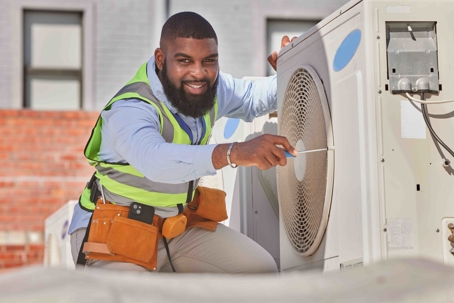
Home AC units play a critical role in keeping your home comfortable, especially here in Jacksonville where the heat can be intense. Choosing the right unit involves understanding not only the size and type of unit to best suit your home, but also considering efficiency and maintenance requirements to ensure long-term comfort and energy savings.
- Size & Type: Selecting the appropriate size and style, such as central air or ductless mini-splits, ensures effective cooling without wasting energy.
- Efficiency: Opt for energy-efficient models with a high SEER rating to reduce utility bills.
- Maintenance: Regular checks and professional servicing keep your system running smoothly.
I’m Al Fouz, and with decades of experience in the HVAC industry, I’ve helped countless Jacksonville homeowners find the perfect home AC units. At Abaco Air Experts, we focus on quality and customer satisfaction, ensuring your system is custom to your needs. Now, let’s dive deeper into understanding how to choose the right air conditioning unit for your home.
Understanding AC Unit Sizes
Choosing the right home AC unit size is crucial for maintaining comfort and efficiency. Let’s break down the essentials: square footage, BTUs, tons, and how to use an HVAC size chart.
Square Footage
The size of your space directly affects the capacity of the AC unit you need. Larger spaces require more cooling power, while smaller spaces need less.
BTUs: The Cooling Power
BTU stands for British Thermal Unit and measures the cooling capacity of an AC unit. The higher the BTU, the more powerful the unit. Here’s a quick guide:
- Up to 150 sq. ft.: 5,000 BTUs
- 150-300 sq. ft.: 7,000 BTUs
- 300-450 sq. ft.: 10,000 BTUs
- 450-600 sq. ft.: 12,000 BTUs
Choosing the right BTU rating ensures your unit can effectively cool your space without wasting energy.
Tons: A Different Measure
In HVAC terms, a “ton” refers to an AC unit’s ability to cool. One ton equals 12,000 BTUs. For example, a 2-ton unit can handle 24,000 BTUs. This is often used for larger systems like central air conditioners.
Using an HVAC Size Chart
An HVAC size chart helps match your home’s square footage to the right unit size. For instance, a 2,000 sq. ft. home typically requires a 4-ton unit, which translates to 48,000 BTUs. This ensures efficient cooling without overworking the system.
By understanding these key concepts, you can choose an AC unit that’s perfectly sized for your needs, ensuring comfort and efficiency all year round.
Next, we’ll explore the different types of home AC units and how to choose the best one for your space.
Types of Home AC Units
When it comes to cooling your home efficiently, understanding the different types of home AC units is essential. Let’s explore the most common options: central air conditioners, ductless/mini-split systems, portable air conditioners, and window air conditioners.
Central Air Conditioners
Central air conditioners are a popular choice for cooling large homes. They consist of an outdoor unit and an indoor air handler, working together to distribute cool air through a system of ducts. These systems are known for their efficiency and quiet operation.
- Efficiency: Modern central air conditioners are highly efficient, especially when paired with advanced air handlers that offer variable speed settings.
- Air Quality: They often come with filters that improve indoor air quality by trapping dust and pollen.
- Applications: Ideal for residential buildings, commercial spaces, and even industrial settings.
Ductless/Mini-Split Systems
Ductless or mini-split systems are gaining popularity for their flexibility and efficiency. They consist of an outdoor compressor and one or more indoor units that can be mounted on walls or ceilings. These systems are perfect for homes without ductwork.
- Installation: Easy to install, requiring only a small hole for the conduit.
- Energy Efficiency: They can be more energy-efficient than central systems because they avoid the energy loss associated with ductwork.
- Quiet Operation: Known for their whisper-quiet operation, making them ideal for bedrooms or offices.
Portable Air Conditioners
Portable air conditioners offer convenience and flexibility. They are standalone units that can be moved from room to room, requiring only a window for venting.
- Cooling Capacity: Suitable for cooling small spaces, usually up to 300 sq. ft.
- Ease of Use: Simply plug in and start cooling; no permanent installation required.
- Versatility: Great for renters or those who need temporary cooling solutions.
Window Air Conditioners
Window air conditioners are a cost-effective option for cooling individual rooms. They are installed in a window or through a wall and are known for their straightforward installation.
- Affordability: Often the most budget-friendly option for cooling small to medium-sized rooms.
- Cooling Power: Available in various sizes to match different room sizes.
- Installation: Quick and easy to install, but they do block the window.
Each of these home AC units has its own strengths and is suited to different needs and spaces. By understanding these options, you can make an informed decision about which type of unit will best suit your home and lifestyle.
Next, we’ll highlight our top picks for home AC units based on different needs and preferences.
Top 5 Home AC Units for Different Needs
Choosing the right AC unit can feel overwhelming, but we’re here to help. Whether you’re looking for something compact or powerful, we’ve got you covered. Here are our top picks for home AC units custom to different needs:
Best for Small Spaces
When space is tight, portable AC units and window AC units are your best bet. These units offer great cooling capacity for small areas, typically up to 300 sq. ft.
- Portable AC: These units are easy to move and require minimal setup. Just plug them in and vent through a window. They’re perfect for renters or those needing temporary solutions.
- Window AC: Ideal for small rooms, they’re affordable and easy to install. Just make sure to measure your window to ensure a good fit.
Best for Medium Spaces
For medium-sized spaces, ductless mini-split systems stand out. These systems are known for their energy efficiency and flexibility.
- Ductless Mini-Split: They offer zoned cooling, so you can control the temperature in different rooms separately. Installation is straightforward, with no need for ductwork, making them a great choice for older homes or additions.
Best for Large Spaces
When you need to cool a large area, central air conditioning is the way to go. These systems provide powerful cooling through a network of ducts.
- Central Air Conditioning: Perfect for whole-home cooling, these units deliver high BTUs and even multi-zone cooling. They offer consistent temperatures throughout the house and improve air quality with built-in filters.
Best Energy-Efficient Units
For those focused on saving energy and reducing their carbon footprint, energy-efficient units with a high SEER rating are ideal.
- Ductless Mini-Split: Again, these systems shine, offering excellent energy savings by avoiding duct losses. They’re also eco-friendly and often come with Energy Star ratings.
- Central Air Conditioning: Look for models with variable speed settings and high SEER ratings for maximum efficiency.
Best Budget-Friendly Units
If you’re on a budget, there are several affordable options that don’t compromise on performance.
- Window AC: These are often the most cost-effective, providing good cooling power for smaller spaces without breaking the bank.
- Portable AC: While slightly more expensive than window units, they offer flexibility and ease of use, with lower maintenance costs.
Each of these home AC units offers unique benefits to suit different needs and budgets. By considering your space, efficiency preferences, and budget, you can find the perfect unit to keep your home comfortable year-round.
Next, we’ll explore some tips for installation and maintenance to ensure your AC unit runs smoothly.
Installation and Maintenance Tips
Proper installation and regular maintenance are key to ensuring your home AC units run efficiently and last longer. Here’s a breakdown of what you need to know:
Professional Installation
Why It Matters: Installing an AC unit is not just about plugging it in. A professional installation ensures that your unit is set up correctly, maximizing efficiency and performance. Incorrect installation can lead to reduced efficiency and even damage.
- Central Air Conditioning: Due to the complexity of ductwork and electrical connections, professional installation is essential. It ensures all components are properly connected and calibrated.
- Ductless Mini-Split Systems: Although simpler than central systems, these still require professional expertise to mount and connect the indoor and outdoor units correctly.
Regular Maintenance
Keep It Running Smoothly: Regular maintenance can prevent most common issues and extend the life of your AC unit. Here are some essential tasks:
- Replace Filters Regularly: Dirty filters can reduce efficiency and strain the system. Replace or clean them every 1-3 months.
- Inspect Thermostat Settings: Ensure your thermostat is working correctly to maintain your desired temperature without overworking the system.
- Check Refrigerant Levels: Low refrigerant levels can cause your unit to blow warm air. Regular checks can prevent this issue.
DIY Tips
Simple Tasks You Can Handle: While some maintenance tasks should be left to professionals, there are a few things you can do yourself:
- Clean the Area Around the Outdoor Unit: Keep it free from debris and foliage to ensure proper airflow.
- Listen for Unusual Noises: Strange sounds can indicate loose parts or other issues. Identifying them early can prevent costly repairs.
Common Issues
Even with the best care, problems can arise. Here are a few common issues and their potential causes:
- Blowing Warm Air: This might be due to low refrigerant, dirty coils, or a malfunctioning thermostat.
- Frequent Cycling: If your AC turns on and off frequently, it could be due to an oversized unit or dirty filters.
- Water Leaks: Often caused by a clogged condensate drain or broken pump.
By following these tips and addressing issues promptly, you can ensure your home AC units operate efficiently and effectively. Up next, we’ll tackle some frequently asked questions to help you make informed decisions about your AC needs.
Frequently Asked Questions about Home AC Units
What size AC unit do you need for a 2000 sq ft house?
Choosing the right size air conditioner is crucial for efficient cooling and energy savings. For a 2000 sq ft house, a general rule of thumb is to look for a unit with a cooling capacity of about 4 tons. This translates to approximately 48,000 BTUs. However, it’s important to consider factors like ceiling height, insulation, and local climate, which can affect your cooling needs.
Using an HVAC size chart can help you determine the correct size for your specific situation. Professional technicians can also perform a load calculation to ensure your unit is neither too small nor too large, both of which can lead to inefficiencies.
What is the most efficient AC for a house?
When it comes to energy efficiency, ductless mini-split systems often come out on top. These systems allow for zoned cooling, meaning you can control the temperature in individual rooms, leading to significant energy savings. They are known for their high SEER (Seasonal Energy Efficiency Ratio) ratings, which indicate superior energy performance.
Installation of ductless mini-split systems is relatively straightforward compared to central air systems, and they don’t require ductwork. This makes them an excellent choice for homes without existing ducts or for those looking to improve energy efficiency without a major renovation.
How big of AC unit for 1200 sq ft house?
For a 1200 sq ft house, you’ll typically need an AC unit with a cooling capacity of around 2.5 tons, or about 30,000 BTUs. This size ensures that your home is cooled efficiently without overworking the system. Again, using an HVAC size chart can provide more precise guidance.
Factors such as room layout, number of windows, and local climate can influence the required cooling capacity. Consulting with an HVAC professional can help ensure you choose the right size unit for your needs.
By understanding these key aspects of home AC units, you can make informed decisions that ensure comfort and energy efficiency in your home.
Conclusion
Choosing the right home AC unit can transform your living space into a comfortable haven, especially in the warm climate of Jacksonville, Florida. Whether you’re cooling a small room or a large home, selecting the right unit that matches your needs is crucial. From portable units for small spaces to central air conditioners for larger homes, each option offers unique benefits.
At Abaco Air Experts, we pride ourselves on delivering professional HVAC services custom to your specific requirements. Our team of certified professionals is committed to ensuring your AC installation is seamless and efficient. We understand the unique demands of Florida’s climate and offer solutions that improve comfort while being energy-efficient.
Why choose Abaco Air Experts?
- Experience and Expertise: With decades of experience, our team knows how to tackle any AC challenge.
- 24/7 Availability: We’re always here for you, ensuring you never have to endure the heat for long.
- Customer-Centric Approach: We listen to your needs and tailor our services accordingly.
For those in Jacksonville, Florida, seeking reliable and professional HVAC services, consider Abaco Air Experts for your next AC installation. Our commitment to quality and customer satisfaction makes us the trusted choice for creating the perfect climate in your home.
Let us help you stay cool and comfortable, no matter what the Florida weather brings.