
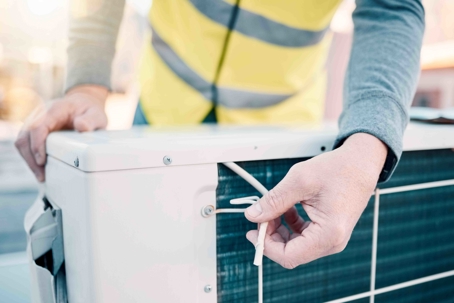
New home hvac installation is a critical step in ensuring comfort and efficiency in your new residence. Whether you’re building a new home or renovating an existing space, installing the right HVAC system is key. Here’s a quick list to guide you:
- Energy Efficiency: Choose a system with a high SEER rating to reduce long-term utility costs.
- Cost Considerations: Be aware of prices, including equipment type, labor, and potential ductwork needs.
- Optimal Timing: Consider scheduling installations in spring or early fall for potential savings.
Investing in a quality HVAC setup not only ensures a comfortable living environment but can also increase your property’s value.
I’m Al Fouz, the owner of Abaco Air Experts. With decades of experience in the HVAC industry, I’ve guided numerous Jacksonville homeowners through new home hvac installation, ensuring satisfaction and long-term comfort. Let’s explore the process and benefits of this important investment further.
What to Expect During HVAC Installation
Installing an HVAC system in a new home involves several key steps. Understanding these will help you prepare and ensure a smooth process.
Existing Equipment Removal
If you’re replacing an old system, the first step is removing the existing equipment. This involves safely disconnecting and disposing of outdated units. Licensed professionals handle this to ensure compliance with environmental regulations and safety standards.
New Equipment Installation
Once the old system is out, it’s time for the new equipment. This includes setting up indoor and outdoor units, connecting ductwork, and ensuring all components are in place. A professional technician will perform load calculations to tailor the system to your home’s specific needs, ensuring optimal performance.
Adjustments and Access to Home Areas
During installation, technicians may need access to various parts of your home, like attics or basements. This is to install ductwork, connect electrical lines, or make adjustments for efficiency. It’s essential to clear these areas beforehand to facilitate easy access.
Technicians might also make adjustments to existing ductwork or electrical systems to accommodate the new HVAC unit. This ensures the system operates efficiently and effectively.
Testing and Final Setup
After installation, thorough testing is conducted. This includes starting up the system, checking thermostat settings, inspecting airflow, and looking for leaks. These tests confirm that everything works perfectly and meets expected performance standards.
Having a new HVAC system installed can seem overwhelming, but knowing what to expect can make the process smoother. With proper preparation and professional help, your new home HVAC installation will be a success, providing comfort and energy efficiency for years to come.
Best Time to Install a New HVAC System
Choosing the right time for new home HVAC installation can save you money and ensure a smoother process. Let’s explore the best times to schedule your installation and the benefits they bring.
Spring and Early Fall
Spring and early fall are ideal for installing a new HVAC system. During these seasons, the weather is mild, and you won’t rely heavily on heating or cooling, making it convenient to have work done without discomfort.
Additionally, HVAC contractors are often less busy during these off-peak times. This means you can schedule installations more easily and potentially receive quicker service.
Manufacturer Specials and Contractor Pricing
Manufacturers and contractors often offer special pricing and promotions during the off-peak seasons. These deals can include discounts on equipment, reduced labor costs, or special financing options.
Keep an eye out for these promotions in spring and early fall. They can significantly reduce your overall installation costs and make premium systems more affordable.
Planning Ahead
By planning your new home HVAC installation in advance, you can take advantage of these seasonal benefits. Early planning allows you to research and compare different systems, ensuring you choose the best one for your needs and budget.
In summary, timing your HVAC installation during spring or early fall not only saves you money but also ensures a smoother, more efficient process. Take advantage of manufacturer specials and contractor pricing during these times to get the best value for your investment.
Cost of New Home HVAC Installation
Installing an HVAC system in a new home is a significant investment. Understanding the costs involved can help you plan your budget effectively. Here’s a breakdown of what you might expect to pay and the factors that can influence those costs.
Breakdown of HVAC System Costs
Average Costs
The cost of installing a new HVAC system typically ranges from $455 to $10,000, with homeowners spending around $5,227 on average. However, this can vary based on several factors.
Equipment Type
– Electric Furnace: Costs range from $1,500 to $3,500. Electric furnaces are generally cheaper but might lead to higher energy bills.
– Gas Furnace: Prices are between $2,000 and $4,500. They are more efficient than electric ones, especially in colder climates.
– Ductless Split AC: Installation costs range from $3,700 to $11,000. These are ideal for homes without existing ductwork.
– Oil Furnace: Costs range from $4,000 to $6,500. They are less common but useful in areas without natural gas access.
– Central AC: These systems range from $3,800 to $7,700. They are popular for their ability to cool the entire house efficiently.
– Heat Pump: Installation costs range from $3,700 to $11,000. They are versatile, providing both heating and cooling.
– Geothermal Heat Pump: These are the most expensive, ranging from $20,000 to $31,000, but they offer significant energy savings over time.
Additional Costs to Consider
Labor Costs
Labor can account for a large portion of the installation cost. Complex systems or difficult installations will increase labor expenses.
Ductwork
If your new home requires ductwork installation or modifications, expect to pay between $10 and $20 per linear foot. Homes typically need 50 to 200 feet of ductwork, which can add significantly to the total cost.
Hidden Costs
– Permit Fees: Depending on local regulations, permit fees can range from $100 to $300.
– Additional Contractor Work: Structural changes or electrical work may be needed, adding to the total expense.
– Home Size, Age, and Layout: Larger homes or older homes with inefficient layouts may require more extensive work.
Insulation and Thermostat
Adding insulation can cost between $1,000 and $2,000 but improves efficiency. A new thermostat, especially a smart one, ranges from $100 to $300.
Zones
Creating zones in your HVAC system can cost an additional $2,000 to $3,000. A fully zoned system costs between $7,500 and $12,500 but offers custom comfort and efficiency.
Understanding these costs and planning accordingly can ensure a successful and cost-effective new home HVAC installation. Next, we’ll explore how to choose the right HVAC system for your home.
Choosing the Right HVAC System for Your Home
When it comes to new home HVAC installation, selecting the right system is crucial. It ensures comfort, efficiency, and cost-effectiveness. Here’s what to consider:
Climate Considerations
Your local climate plays a big role in choosing an HVAC system. For instance, in humid places like Jacksonville Beach, you need a system that can handle both heat and humidity. Heat pumps are a popular choice because they can both heat and cool your home efficiently.
Efficiency Ratings
Efficiency is key to saving on energy bills. Look for systems with high SEER (Seasonal Energy Efficiency Ratio) ratings. A SEER rating of 15 or higher is considered efficient. The higher the SEER, the less energy the unit uses, which translates to lower utility bills.
For heating efficiency, check the HSPF (Heating Seasonal Performance Factor). A higher HSPF means better efficiency during the heating season.
Brand Recommendations
Choosing a reputable brand can ensure reliability and long-lasting performance. Brands like Trane, Carrier, and Lennox are known for their durability and efficiency. While these brands might have a higher upfront cost, their longevity and performance often make them a worthwhile investment.
Efficiency Comparisons
| System Type | SEER Rating | HSPF Rating | Ideal Climate |
|---|---|---|---|
| Heat Pump | 15+ | 8.5+ | Mild winters, hot summers |
| Central Air Conditioner | 15+ | N/A | Hot and humid climates |
| Geothermal Heat Pump | 17+ | 10+ | All climates, energy-efficient option |
Importance of Professional Assessment
Before making a final decision, have a professional perform a load calculation. This ensures your system is the right size. An oversized system can cool quickly but won’t effectively manage humidity. An undersized system will work too hard, leading to higher energy consumption and wear.
By considering these factors, you can choose an HVAC system that meets your home’s unique needs and keeps your energy bills manageable.
Ready to get your new system installed? Next, we’ll guide you through the steps to install a new HVAC system in your home.
Steps to Install a New HVAC System
Installing a new HVAC system involves several crucial steps to ensure it operates efficiently and meets your home’s needs. Here’s what you can expect during the process:
Assessment
The first step in new home HVAC installation is a thorough assessment of your home. A professional HVAC technician will evaluate your home’s energy performance, insulation quality, and existing ductwork. This evaluation helps determine the size and type of HVAC system that will best suit your home.
Load Calculations
Once the assessment is complete, the technician will perform load calculations. This step is vital to ensure the new system can effectively heat and cool your home without wasting energy. Load calculations take into account factors like square footage, ceiling height, and the number of windows.
Refrigerant Lines
Installing refrigerant lines is a critical part of the process. These lines carry the refrigerant between the indoor and outdoor units. The technician will ensure that the lines are properly sealed and insulated to prevent leaks and maintain efficiency. Proper installation of refrigerant lines is essential for the system’s overall performance and longevity.
System Operations Overview
After installation, the technician will provide you with an overview of the system’s operations. This includes instructions on how to use the thermostat, change filters, and perform basic maintenance tasks. Understanding how your system works will help you keep it running smoothly and efficiently.
Cleanup
Finally, the installation team will clean up the work area, removing any debris and old equipment. A neat and tidy installation not only maintains the aesthetics of your home but also ensures that the system is ready for operation without any obstructions.
By following these steps, you can ensure a smooth and efficient installation process for your new HVAC system. Next, we’ll answer some frequently asked questions about new home HVAC installation, including what to expect and how it can impact your home’s value.
Frequently Asked Questions about New Home HVAC Installation
What to Expect When Getting a New HVAC System Installed?
When you’re installing a new HVAC system, there’s a clear process to follow. Here’s a quick rundown:
Existing Equipment Removal: The first step is removing any old equipment. This might include old furnaces, air conditioners, or ductwork. It’s crucial to clear out the old system to make room for the new one.
New Equipment Installation: Once the old equipment is out, the new system is installed. This involves setting up the new HVAC units, connecting them to the existing ductwork (if it’s in good condition), and ensuring all components are properly aligned.
Adjustments: After installation, technicians will make necessary adjustments to optimize system performance. This includes calibrating the thermostat and making sure airflow is balanced throughout your home.
Access to Home Areas: Throughout the process, technicians will need access to various parts of your home, like the attic, basement, or utility rooms. Clear pathways can help speed up the installation.
How Much Value Does a New HVAC System Add to Your Home?
A new HVAC system can be a significant boost to your home’s value. Here’s why:
Home Value Increase: Modern HVAC systems are energy-efficient and can reduce utility bills. This efficiency is attractive to potential buyers, increasing your home’s marketability and value.
Cost-Benefit Analysis: While the initial investment can be substantial, the long-term savings on energy bills can offset these costs. Plus, a reliable HVAC system can prevent costly repairs and replacements in the future.
Will HVAC Prices Go Down in 2024?
Understanding price trends can help you plan your installation:
Price Trends: Historically, HVAC prices can fluctuate based on demand, material costs, and technological advancements. Off-peak seasons, like spring and early fall, often see lower prices due to reduced demand.
Manufacturer Announcements: Keep an eye on announcements from HVAC manufacturers. They may offer discounts or special pricing on older models to make way for new technology. This can be a great opportunity to save on installation costs.
By addressing these FAQs, you’re better prepared for a smooth new home HVAC installation process. Next, we’ll wrap up with some final thoughts on choosing the right system for your home.
Conclusion
Choosing the right partner for your new home HVAC installation is crucial for ensuring comfort and efficiency. At Abaco Air Experts, we bring over five decades of experience to every project. Our reputation in Jacksonville, Florida, is built on delivering dependable, 24/7 expert service. We pride ourselves on crafting the perfect climate for your home with a focus on quality and affordability.
Our professional installation team is dedicated to providing top-notch service. We ensure that every HVAC system is installed with precision and care, so you can enjoy a comfortable home regardless of the weather outside. Our NATE-certified technicians represent the top 5% of the industry, ensuring that every job is done right the first time.
Why Choose Abaco Air Experts?
Professional Installation: Our team of experts handles everything from initial assessment to final system operations overview. We ensure that your home is equipped with the best HVAC system custom to your needs.
Quality Service: We use high-quality materials and the latest technology to ensure your HVAC system runs efficiently. Our commitment to excellence means fewer repairs and long-lasting performance.
Affordability: We understand that a new HVAC system is a significant investment. That’s why we offer competitive pricing and financing options to fit your budget. Our special offers make it easier for you to access top-tier HVAC solutions without breaking the bank.
Choosing Abaco Air Experts means choosing a partner dedicated to your home’s comfort. Our personalized service ensures that you get the best system for your specific needs. Whether you’re building a new home or upgrading your current system, we’re here to help you every step of the way.
For more information on our services or to schedule a consultation, visit our Air Conditioning Service Page. Let us help you create the perfect climate for your home.