
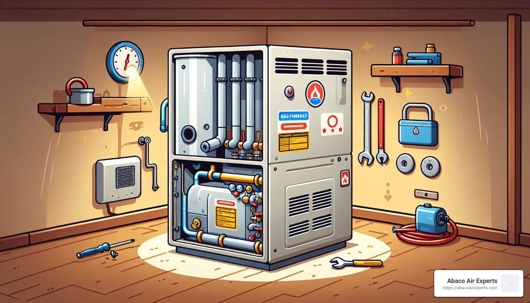
The cost to install central air in home can vary widely, but on average, most homeowners spend between $3,600 and $8,200. This range depends on factors such as the size of your home, the efficiency of the unit, and whether any existing ductwork needs updating or replacing. Here’s a quick summary of what to expect:
- Average Total Cost: $3,600 – $8,200
- Typical Installation Time: 4-8 hours (ductwork may add 1-2 days)
- Key Cost Factors: Unit size, SEER rating, ductwork, and labor
Investing in a central air conditioning system is crucial for maintaining a comfortable home environment, especially during Florida’s extreme temperatures. A well-installed and efficient central AC system not only improves indoor air quality but also increases your home’s overall value and can even lower your energy bills due to advanced energy-saving technologies.
My name is Al Fouz. With decades of experience in the HVAC industry, I am passionate about helping homeowners understand the cost to install central air in home and guiding them through the installation process with accurate and valuable insights. Let’s dive into the building blocks of central air conditioning to help you make an informed decision.
What is Central Air Conditioning?
Central air conditioning is a system that cools air at a central location and distributes it throughout your home via ducts and fans. This system provides consistent and efficient cooling, ensuring every room in your house maintains a comfortable temperature.
Components of Central Air Conditioning
A central AC system comprises several key components:
- Thermostat: The control center of your system. It allows you to set your desired temperature and controls when the system turns on and off.
- Evaporator Coil: Located inside your home, this coil absorbs heat from the indoor air, cooling it down.
- Condenser Coil: Found in the outdoor unit, it releases the heat absorbed by the evaporator coil into the outside air.
- Compressor: Also in the outdoor unit, it pumps refrigerant between the evaporator and condenser coils.
- Ductwork: A network of ducts that distributes the cooled air throughout your home.
- Blower Motor and Fan: These circulate the cooled air from the evaporator coil through the ductwork and into your rooms.
How Central Air Conditioning Works
The process of cooling your home with a central AC system involves several steps:
- Thermostat Activation: When the indoor temperature rises above your set point, the thermostat signals the system to start.
- Heat Absorption: The evaporator coil absorbs heat from the indoor air, cooling it down. The blower motor then pushes this cooled air through the ductwork and into your living spaces.
- Heat Release: The absorbed heat is transferred to the refrigerant, which is then pumped to the outdoor unit by the compressor.
- Heat Dispersion: In the outdoor unit, the condenser coil releases the absorbed heat into the outside air, cooling the refrigerant.
- Refrigerant Cycle: The cooled refrigerant returns to the evaporator coil, and the cycle repeats until your home reaches the desired temperature.
Benefits of Central Air Conditioning
Central air conditioning offers several advantages:
- Consistent Cooling: Provides even cooling throughout your home, eliminating hot spots.
- Improved Air Quality: Filters out pollutants and allergens, improving indoor air quality.
- Energy Efficiency: Modern units with high SEER ratings can significantly reduce energy consumption.
- Increased Home Value: A well-maintained central AC system can boost your home’s resale value.
For example, the Johnson family experienced uneven cooling in their home. After installing a new central AC unit, they enjoyed consistent temperatures in every room, highlighting the effectiveness of a properly installed system.
Understanding these components and how they work together helps you appreciate the value of investing in a central air conditioning system. Up next, we’ll dive into the cost to install central air in home and the factors that influence these costs.
Cost to Install Central Air in Home
Costs by Square Footage
The cost to install central air in a home varies significantly based on the size of the space you need to cool. Generally, for every 500 to 600 square feet of space, you’ll need about one ton of cooling power. Let’s break it down:
- A 1,500-square-foot home typically requires a 2.5-ton unit, costing between $3,400 and $5,400.
- An 1,800-square-foot home might need a 3-ton unit, costing between $3,400 and $5,400.
- For a 2,000-square-foot home, a 3.5-ton unit might be necessary, costing between $4,200 and $6,200.
It’s crucial to get a professional evaluation to determine the exact cooling capacity your home needs.
Costs by SEER Rating
The Seasonal Energy Efficiency Ratio (SEER) measures how efficiently an air conditioning unit operates. Higher SEER ratings mean better energy efficiency, which can lead to significant cost savings over time. Here are the average costs based on SEER ratings:
- 14 SEER: $3,000–$6,000
- 16 SEER: $3,700–$9,000
While higher SEER units are more expensive upfront, they can reduce your energy bills substantially. For instance, upgrading from a 14 SEER to a 16 SEER unit can save you about 13% on your annual cooling costs.
Additional Cost Factors
Several other factors can influence the cost to install central air in a home:
Ductwork
If your home already has ductwork, your installation costs will be lower. However, if new ductwork is needed, it can add $10,000 or more to the total cost. This is especially true for older homes that might require extensive modifications.
Hidden Costs
- Permits: Depending on your location, you may need permits for the installation, which can add to the cost.
- Asbestos and Lead Paint Removal: If your home is older, you might need to budget for the removal of hazardous materials.
- Plumbing and Electrical Work: Installing a new central air system might require upgrades to your home’s electrical panel or new drain lines, adding to the overall expense.
Labor
Labor costs can vary significantly based on your location and the complexity of the installation. It’s essential to get multiple quotes from reputable HVAC professionals to ensure you’re getting a fair price.
Pre-Installation Evaluation
A pre-installation evaluation is crucial for determining the right size and type of unit for your home. This evaluation often includes:
- Home Energy Audit: Assessing your home’s insulation, windows, and overall energy usage.
- Load Calculation: Determining the cooling capacity required to keep your home comfortable.
By understanding these factors, you can better anticipate the cost to install central air in a home and make an informed decision.
Next, we’ll explore Factors Influencing Central Air Installation Cost, including home size, unit efficiency, and labor.
Factors Influencing Central Air Installation Cost
When considering the cost to install central air in a home, several key factors come into play. Let’s examine the most significant ones:
Home Size
The size of your home is a primary determinant of the installation cost. Larger homes require more cooling power, measured in BTUs (British Thermal Units). Here’s a quick breakdown:
- 1,500 sq. ft. home: Typically needs a 2.5-ton unit, costing $3,400–$5,400.
- 1,800 sq. ft. home: Might need a 3-ton unit, costing $3,400–$5,400.
- 2,000 sq. ft. home: Often requires a 3.5-ton unit, costing $4,200–$6,200.
A professional HVAC evaluation can help determine the exact cooling capacity your home needs.
Unit Efficiency
The efficiency of an air conditioning unit is measured by its SEER (Seasonal Energy Efficiency Ratio) rating. Higher SEER ratings indicate better energy efficiency, which can lead to lower energy bills. Here are the cost ranges based on SEER ratings:
- 14 SEER: $3,000–$6,000
- 16 SEER: $3,700–$9,000
While higher SEER units are more expensive upfront, they can offer significant energy savings over time. For instance, a 16 SEER unit can save about 13% on annual cooling costs compared to a 14 SEER unit.
Ductwork
Ductwork can significantly impact the total installation cost. If your home already has existing ductwork, your costs will be lower. However, if new ductwork is required, it can add $500 to $2,000 to the project. Here are some scenarios:
- Existing Ductwork: Cleaning and minor repairs might cost around $400.
- New Ductwork: Installing new ducts can cost $10,000 or more, especially in older homes that require extensive modifications.
- Replacement Costs: Replacing sections of ductwork can cost $10 to $20 per linear foot plus labor.
Labor
Labor costs can vary widely based on your location and the complexity of the installation. Here are some labor-related factors to consider:
- Installation: Professional installation can take 4 to 8 hours. If new ductwork is needed, it might take an additional 1 to 2 business days.
- Removal: Removing an old unit can add $25 to $200, depending on the system’s age.
- Additional Work: Sometimes, extra work like plumbing, electrical upgrades, or structural modifications is needed, which can increase costs.
Thomas Jepsen, founder of Passion Plans, emphasizes the importance of a pre-installation evaluation: “The pre-installation evaluation is likely the most important step you undertake. It makes sure that you get the right air conditioning unit for your home.”
Carson notes that evaluations start around $250, with an average cost of $420, but can go up to $2,000 for larger homes or more advanced audits.
By understanding these factors, you can better anticipate the cost to install central air in a home and make an informed decision.
Next, we’ll explore How to Save Money on Central Air Installation, including off-season installation, rebates, and warranties.
How to Save Money on Central Air Installation
When considering the cost to install central air in a home, there are several strategies you can employ to save money. Here are some practical tips:
Off-Season Installation
One effective way to cut costs is to schedule your installation during the off-season. HVAC contractors are busiest in the summer and winter, so aim for spring or fall. By doing so, you might find better deals on units and lower rates from contractors.
Pro Tip: “If possible, plan to install your unit during spring or fall — before the rush starts,” advises industry experts.
Rebates
Take advantage of rebates and incentives to reduce your overall costs. You can currently claim 30 percent of your project cost – up to $600 – for a central air conditioning system installed by Dec. 31, 2032. Additionally, look for state and local credits for energy-efficient units. Some utility companies and manufacturers offer rebates, especially for off-season installations.
Example: Installing an Energy Star-rated unit can make you eligible for rebates from local governments and utility companies, saving you hundreds of dollars.
Smaller Units
Consider whether you need a full-sized central air unit. If you live alone or only need to cool specific areas, a smaller system might suffice. Smaller units generally cost less and consume less energy, leading to long-term savings.
Expert Advice: A pre-installation evaluation by an HVAC professional can help determine the right size unit for your home, ensuring you don’t overspend on a larger system than necessary.
Warranties
Always check the warranty before making a purchase. Manufacturer’s warranties can cover parts and sometimes labor, saving you from unexpected expenses. Additionally, some contractors offer labor warranties, providing extra peace of mind.
Tip: “If your AC needs to be replaced early in its lifespan, it might be covered by your warranty,” notes industry experts. This can save you a significant amount of money on early replacements.
By planning your installation during the off-season, taking advantage of rebates, considering smaller units, and utilizing warranties, you can significantly reduce the cost to install central air in a home.
Next, we’ll address Frequently Asked Questions about Central Air Installation Costs, providing more insights to help you make an informed decision.
Frequently Asked Questions about Central Air Installation Costs
How much does it cost to install central air in a 2,000 sq ft home?
The cost to install central air in a 2,000 square foot home typically ranges between $3,400 and $5,400. This estimate is based on needing a 3-ton unit, which provides 36,000 BTUs of cooling capacity. However, the total cost can vary depending on several factors like the efficiency of the unit, the complexity of the installation, and whether new ductwork is required.
Case Study: One of our clients, the Johnson family, recently installed a 3-ton central air unit in their 2,000 sq ft home. The total cost came to about $4,800, which included a high-efficiency unit and minor ductwork adjustments.
Is it worth adding central air to a house?
Yes, adding central air to a house can be worth the investment for several reasons:
- Increased Comfort: Central air provides consistent cooling throughout your home, making it more comfortable during hot months.
- Energy Efficiency: Modern central air units are more energy-efficient than older window units, which can lead to lower utility bills.
- Home Value: Installing central air can increase your home’s resale value. Potential buyers often see central air as a significant upgrade.
Fact: According to Forbes Home, replacing an old HVAC system can add substantial value to your home, making it more attractive to potential buyers.
How hard is it to add central air to a house?
The difficulty of adding central air to a house depends on several factors, including the age of the home and whether existing ductwork is in place.
- Existing Ductwork: If your home already has ductwork, the installation process is relatively straightforward and can be completed in 4 to 8 hours.
- No Existing Ductwork: If your home lacks ductwork, the project becomes more complex. Installing new ductwork can take an additional 1 to 2 business days and significantly increase the overall cost.
Real Story: The Smith family had an older home without existing ductwork. The installation took three days and included adding new ducts, but they now enjoy reliable and efficient cooling throughout their home.
By understanding these factors, you can better prepare for the cost to install central air in a home and make an informed decision.
Conclusion
In summary, installing central air conditioning in your home is a significant investment that offers numerous benefits, including increased comfort, energy efficiency, and added home value. The cost to install central air in a home varies based on factors such as unit size, SEER rating, ductwork requirements, and labor costs. On average, homeowners can expect to spend between $3,600 and $8,200, with the exact amount depending on specific circumstances.
At Abaco Air Experts, we specialize in providing top-notch HVAC services, including air conditioner installation, air purifier setup, and heating system repairs. Established in 1967 and based in Jacksonville, Florida, we pride ourselves on offering dependable, 24/7 expert services. Our commitment is to craft perfect climates for your home, emphasizing quality, affordability, and professional staff.