
Air conditioning troubleshooting tips are a homeowner’s secret weapon when the Florida heat becomes unbearable. Having a few quick fixes ready can help you escape the sweat faster than you can say “Jacksonville summer.” Here are some straightforward actions you can take:
- Check your thermostat settings: Ensure they’re correct for cooling.
- Inspect and replace clogged air filters: Dirty filters can block airflow.
- Reset circuit breakers: They can trip during surges.
- Look for refrigerant leaks: These can severely impair cooling performance.
- Remove debris from outdoor units: Ensures efficient cooling.
These tips can give you a head start on solving common AC issues like warm air blowing or the unit not turning on. Keeping your system well-maintained prevents small issues from becoming back-breaking problems.
I’m Al Fouz, owner of Abaco Air Experts, with decades of experience in the HVAC industry. My team and I have dedicated ourselves to simplifying air conditioning troubleshooting tips for homeowners, ensuring comfort and peace of mind in Jacksonville’s sweltering climate. Let’s explore these solutions further to keep your home cool and comfortable.
Air Conditioning Troubleshooting Tips
When your air conditioner isn’t working right, it can feel like you’re stuck in a sauna. But don’t sweat it! Here are some easy air conditioning troubleshooting tips to help you cool down fast.
1. Thermostat Settings
First, let’s talk about the thermostat. It’s the brain of your AC system. Sometimes, the simplest solution is the right one. Make sure your thermostat is set to “cool” and not “heat.” It might sound obvious, but this little switch can make a big difference. Also, check if the temperature setting is lower than the current room temperature. If your thermostat has a blank screen, it might just need new batteries.
2. Air Filters
Next up, air filters. A dirty air filter is like a clogged nose for your AC. It can’t breathe, and neither can you. When filters are clogged with dust and pet hair, the airflow is blocked. This makes your AC work harder and can even lead to higher energy bills. Replace your air filters every 1-3 months, especially if you have pets or live in a dusty area. Clean filters mean better air quality and a happier AC.
3. Circuit Breakers
Sometimes, the problem is electrical. Check your circuit breakers. If your AC won’t turn on, a tripped breaker might be the culprit. Go to your electrical panel, find the AC breaker, and flip it off and back on. If it trips again, there might be a bigger issue. In that case, it’s best to call a licensed electrician to take a look.
These simple steps can often fix common AC problems, like the unit not cooling or not turning on at all. By taking a few minutes to troubleshoot, you might just save yourself a call to the repairman and keep your home cool and comfortable.
Up next, we’ll dive into some common AC problems and their solutions, so you can tackle those pesky issues head-on.
Common AC Problems and Solutions
When your air conditioner isn’t performing at its best, it can lead to discomfort and higher energy bills. Here’s a look at some common AC problems and how to fix them quickly.
1. Disrupted Airflow
Disrupted airflow is a frequent issue that can make your AC less effective. The main culprits are usually dirty air filters, blocked vents, or issues with the ductwork.
Dirty Air Filters: If your AC is struggling, check the air filters first. Clogged filters can block airflow, making it hard for your system to cool your home. Change them every 1-3 months for optimal performance.
Blocked Vents: Ensure that all vents are open and free from obstructions like furniture or curtains. This allows air to flow freely throughout your home.
Ductwork Issues: Leaks or blockages in the ductwork can also disrupt airflow. If you suspect this, it might be time to call a professional for a thorough inspection.
2. Low Refrigerant
Refrigerant is essential for cooling your home. If your system is low on refrigerant, it might be due to a leak. This not only affects cooling but can also lead to other issues like rising humidity levels.
Signs of Low Refrigerant: If your AC is blowing warm air or if the cooling isn’t consistent, low refrigerant might be the issue.
What to Do: This is not a DIY fix. Contact a certified technician to locate the leak and recharge your system. Handling refrigerant requires specialized knowledge and tools.
3. Water Leaks
Water leaks around your AC can lead to serious damage if not addressed quickly. The most common causes are clogged drain lines or a broken condensate pump.
Clogged Drain Line: Use a wet/dry vacuum to clear the drain line and stop the leak. If this doesn’t solve the issue, it might be time to call a professional.
Broken Condensate Pump: If the pump isn’t working, water can overflow from the unit. Replacing the pump is usually a job for a professional technician.
By addressing these common problems, you can keep your AC running efficiently and extend its lifespan. But remember, if you’re ever in doubt, it’s always best to consult a professional. In the next section, we’ll cover some DIY maintenance tips to help you keep your AC in top shape.
DIY Maintenance for Optimal Performance
Keeping your air conditioner in tip-top shape doesn’t have to be complicated. With a few simple air conditioning troubleshooting tips, you can ensure your system runs smoothly and efficiently. Let’s explore some easy DIY maintenance tasks you can tackle today.
Cleaning Coils
Dirty coils can reduce your AC’s efficiency by up to 40%. Regular cleaning helps maintain optimal performance and extends the life of your unit.
Evaporator Coils: Located inside your AC unit, these coils absorb heat from your home. Dust and dirt can build up, so clean them annually. Use a soft brush or a vacuum to gently remove debris.
Condenser Coils: These are found in the outdoor unit. Spray them with a hose to remove dirt and debris. Be careful not to bend the delicate fins.
Open Vents
Blocked vents force your AC to work harder, increasing energy bills and decreasing comfort.
Check for Obstructions: Ensure all vents are open and free from obstructions like furniture, rugs, or curtains.
Clean Vents: Dust and dirt can accumulate, so use a vacuum or microfiber cloth to clean them regularly.
Outdoor Unit Care
Your outdoor unit (condenser) is exposed to the elements, so it needs regular attention to function efficiently.
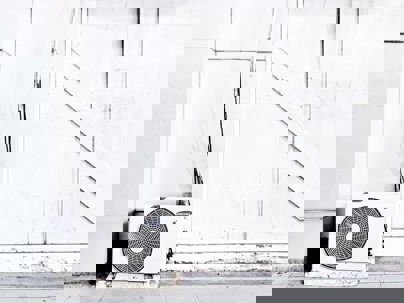
Clear Debris: Remove leaves, dirt, and other debris around the unit. Keep shrubs and plants trimmed back at least two feet to ensure proper airflow.
Check for Damage: Inspect the unit for signs of wear, such as bent fins or loose panels. Straighten bent fins with a fin comb to improve airflow.
By following these simple maintenance tips, you’ll keep your air conditioner running smoothly and efficiently. If you encounter more complex issues, it might be time to call in the professionals. Up next, we’ll discuss when it’s best to seek expert help.
When to Call a Professional
Sometimes, even with regular maintenance, your air conditioner might run into issues that are too complex to handle on your own. Here’s when you should consider calling a licensed technician.
Licensed Technician
Hiring a licensed technician ensures that your AC is in expert hands. These professionals have the training and certifications needed to diagnose and fix problems safely and efficiently. In Jacksonville, Florida, where the summer heat can be intense, having a reliable technician on speed dial is crucial for quick and effective solutions.
Refrigerant Issues
Refrigerant is vital for cooling your home. If you notice your AC isn’t cooling properly, you might have a refrigerant leak. This isn’t something you should tackle yourself. Low refrigerant levels can cause your system to lose cooling power and lead to higher energy bills. A professional can safely check and refill refrigerant levels, ensuring your system runs efficiently.
Electrical Problems
Electrical issues can be dangerous and should always be handled by professionals. If your AC is tripping circuit breakers or not turning on, it could be due to loose or corroded wires. Regular inspections by a technician can catch these problems early, preventing system failures and potential hazards.
In summary, while some AC maintenance tasks can be done yourself, refrigerant and electrical issues require professional intervention. It’s always better to be safe and let a licensed technician handle these complex problems. Up next, we’ll answer some frequently asked questions about air conditioning troubleshooting, so stay tuned!
Frequently Asked Questions about Air Conditioning Troubleshooting
How do I figure out what’s wrong with my air conditioner?
When your air conditioner isn’t working right, start with the basics. Check the thermostat settings first. Sometimes, it might be set to the wrong temperature or mode. Make sure it’s on “cool” and set to your desired temperature.
Next, inspect the air filters. Dirty filters can block airflow, making your AC work harder and less efficiently. Replace or clean them every 1-3 months to keep the air flowing smoothly.
Finally, check the circuit breakers. If your AC isn’t turning on, a tripped breaker might be the culprit. Reset it and see if that solves the problem.
What are the most common problems in an air conditioner?
Air conditioners can face several issues, but some are more common than others. Disrupted airflow is a frequent problem, often caused by blocked vents or dirty filters. This can lead to uneven cooling and increased energy bills.
Installation issues can also cause trouble. If your AC wasn’t installed correctly, it might not perform efficiently. This includes things like incorrect sizing or improper placement of the unit.
Regular maintenance problems are another biggie. Skipping routine checks can lead to bigger issues down the road, like clogged drains or worn-out parts. Keeping up with maintenance can prevent these problems and extend the life of your AC.
Why is my air conditioner running but not cooling my house?
If your AC is on but not cooling, several factors could be at play. Start by checking the thermostat settings. If it’s set correctly, the issue might be more complex.
A common culprit is the compressor. If it’s not working properly, the AC can’t cool your home effectively. This usually requires professional repair.
Evaporator coils could also be the issue. If they are dirty or frozen, they can’t absorb heat efficiently. Cleaning them or letting them thaw can sometimes solve the problem.
In Jacksonville, Florida, where a working AC is crucial, understanding these common issues can help you troubleshoot effectively. If these tips don’t work, it might be time to call in the experts at Abaco Air Experts. Up next, we’ll wrap up with some final thoughts on keeping your AC in top shape.
Conclusion
In Jacksonville, Florida, where the heat can be relentless, a reliable air conditioning system is not just a luxury—it’s a necessity. When your AC runs into trouble, knowing when to tackle the problem yourself and when to call in the professionals can make all the difference.
At Abaco Air Experts, we pride ourselves on delivering top-notch HVAC services custom to meet the unique needs of our Jacksonville community. Established in 1967, our team of skilled technicians is available 24/7 to ensure your home remains a haven of comfort, regardless of the season.
Our approach is simple: quality and affordability go hand in hand. We understand that every home is different, and our experts are committed to crafting perfect climates that suit your lifestyle. Whether it’s a quick fix or a comprehensive system overhaul, we’re here to help.
For those times when DIY troubleshooting just won’t cut it, trust us to handle the more complex issues. From refrigerant leaks to electrical problems, our licensed technicians have the expertise to get your system back up and running smoothly.
Don’t let air conditioning problems disrupt your comfort. For professional, dependable service in Jacksonville, contact Abaco Air Experts. We’re just a call away, ready to bring cool, fresh air back into your home.