
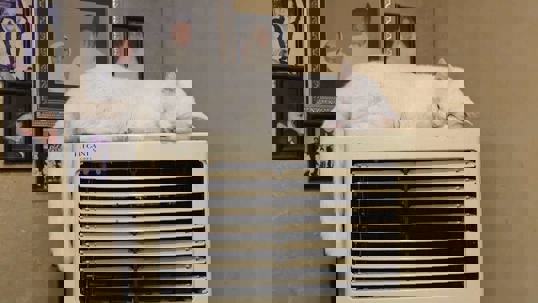
Air purifier for cat allergies is a vital tool for any pet-loving household burdened by sneezing fits and itchy eyes. Cat allergies, aggravated by proteins like Fel d 1 in dander, often prompt discomfort in sensitive individuals. An air purifier with High Efficiency Particulate Air (HEPA) filters can significantly improve indoor air quality by capturing allergens and ensuring a fresher, more breathable home environment.
Here’s a quick summary to understand why air purifier for cat allergies is essential:
- HEPA filters trap and remove up to 99.97% of airborne particles, including pet dander.
- Improves indoor air quality, offering relief from allergy symptoms.
- Safe for your pets and effective in reducing smells and allergens.
I’m Al Fouz, your guide in navigating HVAC solutions. With years of expertise in ensuring homes maintain optimal indoor air conditions, I’ve seen the transformative power of a well-chosen air purifier for cat allergies. Let’s dig deeper into pet allergens and their solutions.
Air purifier for cat allergies word guide:
– best hepa air purifier for allergies
– is a humidifier or air purifier better for allergies
Understanding Cat Allergies
Cat allergies are a common issue, affecting millions of people worldwide. The primary culprits behind these allergies are protein allergens, specifically Fel d 1, found in cat saliva, skin, and fur. When cats groom themselves, these proteins spread onto their skin and fur, leading to the release of pet dander into the air.
What is Fel d 1?
Fel d 1 is the most significant allergen produced by cats. It’s a protein found in their saliva, skin, and sebaceous glands. When a cat grooms itself, Fel d 1 is transferred to its fur and skin. As the fur sheds, these allergens become airborne, causing allergic reactions in sensitive individuals.
The Role of Pet Dander
Pet dander consists of tiny, even microscopic, flecks of skin shed by cats. These particles can remain suspended in the air for long periods, easily inhaled by humans. Dander can cling to furniture, bedding, and clothing, making it a persistent allergen in homes with cats.
How Allergies Occur
When someone allergic to cats comes into contact with Fel d 1 or inhales pet dander, their immune system mistakenly identifies these harmless proteins as threats. This triggers a response, releasing histamines that cause symptoms like sneezing, itchy eyes, and a runny nose.
Quick Facts:
- Fel d 1 is the main allergen causing reactions in 90% of people allergic to cats.
- Pet dander can stay airborne for long periods, making it difficult to eliminate without proper filtration.
- Regular cleaning and grooming can help reduce dander, but air purifiers are key in managing airborne allergens.
Understanding these allergens is crucial for effectively managing cat allergies. The next step is to explore how air purifiers can help alleviate these symptoms by capturing and reducing the presence of these pesky proteins in your home.
How Air Purifiers Help with Cat Allergies
Air purifiers can be a game-changer for cat allergy sufferers. They work by tackling airborne contaminants like pet dander and allergens that float around your home. Here’s how they do it:
HEPA Filters: The Gold Standard
High-Efficiency Particulate Air (HEPA) filters are the superheroes of air purification. They capture 99.97% of particles as small as 0.3 microns, which includes most cat dander. Since pet dander can stay suspended in the air for long periods, a HEPA filter is essential for reducing allergen levels indoors.
- Pet dander often ranges from 5 to 10 microns in size. HEPA filters are excellent at catching these particles, making them a top choice for anyone with cat allergies.
Activated Carbon Filters: Odor Fighters
While HEPA filters excel at trapping particles, activated carbon filters are experts at removing odors. If your cat’s litter box is contributing to unwanted smells, activated carbon can absorb these odors, leaving your home smelling fresh.
- Odor control is a bonus feature of many air purifiers. Activated carbon filters work by absorbing odor molecules, which can help make your living space more pleasant.
Tackling Airborne Contaminants
Air purifiers with a combination of HEPA and activated carbon filters are highly effective at reducing airborne contaminants. This dual-action approach targets both the physical particles and the odors, providing comprehensive relief for allergy sufferers.
Quick Tips:
- Place your air purifier near your cat’s favorite spots or litter box for maximum effectiveness.
- Regularly change or clean the filters as recommended by the manufacturer to maintain optimal performance.
- Consider air purifiers with adjustable fan speeds to balance noise levels and cleaning power.
By understanding how air purifiers work, you can choose the right one to help manage cat allergies and improve your indoor air quality. Next, we’ll dive into the top air purifiers specifically designed for tackling cat allergies.
Top Air Purifiers for Cat Allergies
When it comes to finding an air purifier for cat allergies, you want one that excels in HEPA technology, allergen capture, and noise level. Let’s explore some top contenders that offer these features.
HEPA Technology: The Heart of Allergen Capture
HEPA filters are the gold standard for removing allergens from the air. They can trap particles as small as 0.3 microns, which includes most cat dander. This makes them essential for anyone dealing with pet allergies.
- Example: The Dyson HP07 Hot+Cool Air Purifier, used by Anna Mejorada, features a HEPA filter that efficiently cleans the air. It’s easy to replace and can be controlled via remote, making it a convenient choice for allergy sufferers.
Allergen Capture: More Than Just Dander
Besides dander, air purifiers need to capture a range of allergens, including dust and pollen. Models with high Clean Air Delivery Rates (CADR) are particularly effective. This metric indicates how well a purifier can filter airborne pollutants and allergens.
- Blueair air purifiers are recommended for their performance in allergen capture, using HEPASilent™ technology to remove pet allergens from the air.
Noise Level: Quiet Operation for Peaceful Living
Noise can be a concern, especially if the air purifier is used in a bedroom or living area. Many modern air purifiers come with adjustable fan speeds, allowing you to choose a quieter setting at night.
- Blueair Classic 405 is noted for its quiet operation, making it ideal for use in bedrooms without disturbing your sleep.
Quick Picks for Cat Allergy Relief
- Dyson HP07 Hot+Cool Air Purifier: Known for its effective HEPA filter and ease of use.
- Blueair Classic 405: Offers quiet operation and excellent allergen capture.
- Blueair 680i: Recommended for those with severe allergies, thanks to its high CADR and comprehensive filtration system.
By choosing an air purifier with the right features, you can significantly reduce allergen exposure in your home. Next, let’s look at the benefits of using air purifiers for cat allergies and how they can improve your quality of life.
Benefits of Using Air Purifiers for Cat Allergies
Reduced Allergen Exposure
Living with cats can mean constant exposure to allergens, especially the protein Fel d 1 found in their dander. This protein is a common trigger for allergy symptoms like sneezing and itchy eyes. Using an air purifier for cat allergies can significantly cut down on these allergens.
- Fact: HEPA filters are effective at capturing particles as small as 0.3 microns, which includes most cat dander. This means less sneezing and more cuddling.
Cleaner Indoor Air
Cats may bring more than just love into your home. They often carry dust, pollen, and other pollutants on their fur. An air purifier helps keep your indoor air clean by removing these unwanted particles.
- Quote: “Air purifiers do a great job at removing tiny particles and providing relief from allergy and asthma triggers,” says Dr. Payel Gupta, an expert in allergy and immunology.
Improved Sleep Quality
A good night’s sleep can be hard to come by if you’re battling allergies. Air purifiers help by reducing allergens in the air, which means fewer night-time allergy symptoms.
- Example: The Blueair Classic 405, known for its quiet operation, ensures you can sleep peacefully without the hum of a loud machine.
By using an air purifier, you not only reduce allergen exposure but also enjoy cleaner air and better sleep. These benefits can make a big difference in your daily comfort and health.
Next, let’s address some frequently asked questions about air purifiers for cat allergies.
Frequently Asked Questions about Air Purifiers for Cat Allergies
Do air purifiers really help with cat allergies?
Absolutely! Air purifiers can make a big difference for those suffering from cat allergies. The main culprit in cat allergies is often pet dander, which includes tiny skin flakes and proteins like Fel d 1. These particles can float around your home and trigger allergy symptoms such as sneezing, itchy eyes, and even rashes.
- HEPA filters are particularly effective for this issue. They can trap particles as small as 0.3 microns, which includes most pet dander. This means an air purifier can reduce the amount of allergens in the air, leading to fewer allergy attacks.
What is the best air purifier for pet allergies?
When looking for the best air purifier for pet allergies, focus on those equipped with HEPA filters. These are the gold standard for allergen removal.
Fact: The Blueair Classic series, recommended by organizations like Asthma Allergy Nordic, is known for its efficient allergen capture and quiet operation, making it a top choice among pet owners.
Tip: Choose a unit with a high Clean Air Delivery Rate (CADR) to ensure it can effectively clean the air in your space.
Are air purifiers safe for pets?
Yes, air purifiers are safe for pets! In fact, they can improve the overall air quality in your home, which benefits both you and your furry friends.
Pet Safety: Modern air purifiers use safe technologies that do not emit harmful substances. HEPA filters, activated carbon filters, and UV filters work together to clean the air without posing risks to pets.
Advice: Place the air purifier near your cat’s favorite spots to maximize its effectiveness in capturing allergens right at the source.
By understanding how air purifiers work and choosing the right one, you can create a healthier environment for both you and your pets. Next, we’ll wrap up with some final thoughts on setting up your air purifier for the best results.
Conclusion
Creating a perfect climate in your home is more than just about temperature control; it’s about ensuring the air you breathe is clean and healthy. At Abaco Air Experts, we understand the challenges that come with pet allergies, especially when it comes to our feline friends. That’s why we specialize in setting up the ideal air purifier for cat allergies to help you achieve a comfortable and allergen-free environment.
Our team is committed to providing dependable, 24/7 expert services in Jacksonville, Florida. We focus on quality and affordability, ensuring that every air purifier setup is custom to your specific needs. Whether you’re dealing with pet dander or other airborne contaminants, our professional staff is here to help you breathe easier.
Why choose Abaco Air Experts?
- Expertise: With years of experience, we know how to select and install the right air purifier for your home.
- Comprehensive Service: From initial consultation to installation and maintenance, we cover it all.
- Customer Satisfaction: We promise to craft the perfect climate for your home, ensuring you and your pets live in harmony.
By choosing Abaco Air Experts, you’re investing in a healthier home for you and your loved ones. Ready to improve your indoor air quality? Visit our Indoor Air Quality page to learn more about how we can help you achieve the perfect indoor climate.