
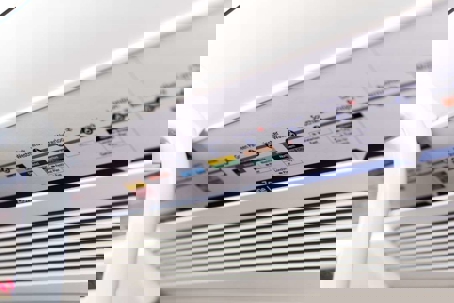
In the hunt for the best hepa air purifier for allergies, understanding the benefits of HEPA filters is crucial. HEPA (High-Efficiency Particulate Air) purifiers are designed to remove more than 99.97% of particles that are 0.3 microns or larger, helping allergy sufferers breathe easier by capturing dust mites, pollen, and other allergens.
Quick Picks:
– Coway Airmega AP-1512HH Mighty: Known for its exceptional filtration efficiency, it’s a top choice for medium-sized rooms.
– Honeywell HPA300: Best for large spaces, offering a high clean-air delivery rate.
– Levoit Core 300S: Ideal for small spaces with its compact design and affordability.
Many Jacksonville homeowners seek reliable air solutions to combat the fluctuating Florida temperatures and their impact on air quality. This pursuit highlights the significance of choosing the right purifier, especially for those with allergies.
My name is Al Fouz, and as an expert in HVAC systems, I’ve dedicated years to improving air quality and ensuring comfort for Jacksonville residents. My background ensures that I can guide you seamlessly toward finding the best hepa air purifier for allergies and enhancing your home’s air quality.
In the following sections, we will dig deeper into understanding HEPA filters and explore specific air purifiers to meet various needs.
Understanding HEPA Filters
HEPA filters are the unsung heroes of clean air, especially for those battling allergies. Let’s break down why they’re so effective.
Filtration Efficiency
HEPA filters are known for their high filtration efficiency. They capture 99.97% of airborne particles 0.3 microns or larger. To put that in perspective, a human hair is about 75 microns wide. So, HEPA filters can trap particles much smaller than what the naked eye can see.
Here’s how they work:
– Impaction: Larger particles, like pollen, crash into the filter fibers and stick.
– Interception: Mid-sized particles get caught as they pass close to a fiber.
– Diffusion: Tiny particles, smaller than 0.1 microns, zigzag through the air and eventually stick to a fiber.
This multi-layered approach ensures that even the trickiest particles, often called “Baby Bears” at 0.3 microns, get caught.
Particle Size and Air Quality Improvement
Wondering why the 0.3-micron size is so important? It’s the toughest size for filters to capture. But HEPA filters are designed to tackle this challenge head-on.
By removing such tiny particles, HEPA filters significantly improve indoor air quality. This is essential for allergy sufferers who need to minimize exposure to irritants like dust mites, mold spores, and pet dander.
Real-World Impact
In Jacksonville, Florida, where humidity can exacerbate allergies, having a HEPA air purifier is a game-changer. It not only helps reduce allergy symptoms but also contributes to overall respiratory health.
For those looking for the best HEPA air purifier for allergies, it’s crucial to consider the purifier’s clean-air delivery rate (CADR). This reflects how quickly the purifier can clean the air in a room. The higher the CADR, the faster it can filter out allergens.
In the next section, we’ll dive into the best HEPA air purifiers for allergies, featuring top picks for different needs.
Best HEPA Air Purifiers for Allergies
When it comes to finding the best HEPA air purifier for allergies, there are a few standout models that have proven their worth in real-world settings. Let’s take a closer look at three top performers: the Coway Airmega AP-1512HH Mighty, Honeywell HPA300, and Levoit Core 300S.
Coway Airmega AP-1512HH Mighty
The Coway Airmega AP-1512HH Mighty is a powerhouse in air purification. It has shown remarkable performance, reducing smoke pollution by up to 99.6% in a short time. This makes it an excellent choice for those dealing with severe allergies or high pollution levels. Its compact size and quiet operation make it ideal for bedrooms and living rooms. Plus, it’s built to last, even when pushed beyond its typical limits.
- Pros: High efficiency, quiet, long-lasting
- Cons: Limited design options
Honeywell HPA300
For those with larger spaces, the Honeywell HPA300 is a top contender. It boasts a high clean-air delivery rate (CADR), making it perfect for big rooms where allergens can be more widespread. Its powerful performance ensures that even the most stubborn particles are filtered out quickly, providing significant relief for allergy sufferers.
- Pros: High CADR, effective for large rooms
- Cons: Bulky design
Levoit Core 300S
The Levoit Core 300S offers a sleek design and smart features at a budget-friendly price. It’s perfect for smaller spaces and is highly effective in reducing allergens like dust and pet dander. With its Wi-Fi connectivity, you can control it remotely, making it a convenient choice for tech-savvy users. It’s also praised for its quiet operation, which is perfect for light sleepers.
- Pros: Smart features, compact, affordable
- Cons: Lower CADR compared to larger models
Each of these purifiers has its strengths, making them suitable for different needs and environments. Whether you need a compact unit for a small room or a powerful purifier for a large space, there’s a model here that can help you breathe easier.
Next, we’ll explore top picks for different needs, focusing on specific features like room size and smart connectivity.
Top Picks for Different Needs
When choosing the best HEPA air purifier for your specific needs, it’s important to consider factors like room size and desired features. Here are our top picks based on different requirements:
Best for Large Rooms
Honeywell HPA300
If you have a large room and need a powerful air purifier, the Honeywell HPA300 is an excellent choice. This model has a high clean-air delivery rate (CADR), which means it can effectively filter out allergens and pollutants in spacious areas. It’s particularly useful if you have high ceilings or open-plan spaces where air circulation is a challenge.
- Pros: High CADR, effective for large rooms
- Cons: Bulky design
Best for Small Spaces
Levoit Core 300
For those with limited space, the Levoit Core 300 is perfect. Its compact design allows it to fit seamlessly into smaller rooms like bedrooms or offices without taking up much space. Despite its size, it efficiently removes dust, pollen, and pet dander, making it ideal for allergy sufferers.
- Pros: Compact, affordable, effective for small spaces
- Cons: Lower CADR compared to larger models
Best for Smart Features
Levoit Core 600S
Tech enthusiasts will appreciate the Levoit Core 600S for its Wi-Fi connectivity. This feature allows you to monitor and control the air purifier remotely via an app. It’s perfect for those who want to manage their indoor air quality on the go. The smart capabilities also include voice assistant compatibility, making it a convenient choice for modern homes.
- Pros: Smart features, remote control, modern design
- Cons: Higher price point
Each of these air purifiers excels in different areas, catering to various needs and preferences. Whether you require a device for a large room, a compact solution for a smaller space, or advanced smart features, there’s a model to suit your lifestyle.
Next, we’ll dig into the benefits of using HEPA air purifiers, highlighting how they can improve air quality and provide relief from allergies.
Benefits of Using HEPA Air Purifiers
Allergen Removal
HEPA air purifiers are champions at removing allergens like pollen, dust mites, and pet dander from the air. These tiny particles can cause sneezing, itchy eyes, and even asthma attacks. By trapping 99.97% of particles as small as 0.3 microns, HEPA filters provide significant relief for allergy sufferers. A study on house dust mite allergies showed that using a HEPA air purifier can help reduce symptoms of allergic rhinitis in both adults and children.
Smoke Reduction
Whether it’s from cooking, tobacco, or wildfires, smoke can be a major indoor air pollutant. HEPA air purifiers can effectively reduce smoke particles and odors, making your home more comfortable and healthier. When tested, models like the Coway Airmega AP-1512HH Mighty reduced particulate concentration by 99.9% in just one hour on high speed, showing how powerful they can be in clearing the air of smoke.
Air Quality Improvement
Improving indoor air quality is crucial, especially if you live in a city or an area prone to pollution. HEPA air purifiers not only remove allergens and smoke but also tackle other pollutants like mold spores and bacteria. This can lead to better respiratory health and a more pleasant living environment. By running an air purifier continuously on a quiet setting, you can maintain clean air throughout your home, ensuring you and your family breathe easier.
In the next section, we will answer some of the most frequently asked questions about HEPA air purifiers, including their effectiveness in allergy relief and any potential side effects.
Frequently Asked Questions about HEPA Air Purifiers
Do HEPA air purifiers help with allergies?
Yes, HEPA air purifiers are highly effective at helping with allergies. They capture airborne allergens like pollen, pet dander, and dust mites, which are common triggers for allergy symptoms. By trapping 99.97% of particles as small as 0.3 microns, HEPA filters provide significant relief for allergy sufferers. This means fewer sneezes, less itchy eyes, and a reduction in asthma attacks. Research shows that using a HEPA air purifier can reduce symptoms of allergic rhinitis in both adults and children.
What are the negative side effects of HEPA air purifiers?
While HEPA air purifiers are generally safe, some people might experience mild side effects. Running an air purifier constantly in a small, enclosed space can sometimes lead to throat or lung irritation due to increased air circulation. However, these occurrences are rare and usually mild. It’s important to ensure the purifier is placed in a well-ventilated area and maintained properly to avoid these issues.
Is there anything better than HEPA?
When it comes to filtration efficiency, ULPA filters (Ultra-Low Penetration Air filters) are even better than HEPA filters. They can trap 99.999% of particles as small as 0.12 microns. However, ULPA filters are typically used in specialized environments like laboratories and cleanrooms, as they require more energy to operate and are more expensive. For most home uses, HEPA filters provide an excellent balance of performance and cost-effectiveness, making them the best choice for allergy relief and improving indoor air quality.
In the next section, we will explore the top picks for different needs, helping you find the best HEPA air purifier for your specific situation.
Conclusion
At Abaco Air Experts, we understand the importance of clean air, especially for those who suffer from allergies. Our commitment to providing top-notch HVAC services, including air purifier setup, ensures that you and your family can breathe freely and comfortably.
Our team of professionals has been serving the Jacksonville, Florida area since 1967. We pride ourselves on offering reliable, 24/7 services custom to meet your needs. Whether you need help selecting the best HEPA air purifier for allergies or setting it up in your home, we’re here to assist you every step of the way.
Quality service is at the heart of what we do. We ensure that each air purifier is installed correctly and operates efficiently, maximizing its benefits for your indoor air quality. Our expertise in air purification systems means you can trust us to help reduce allergens, improve air quality, and create a healthier living environment.
For more information on how we can help improve your home’s air quality, visit our Indoor Air Quality page. Let us help you breathe easier and live better with our expert services and solutions.